
A Beginner’s Guide to Fertilizing Succulent Houseplants
Learn the essential steps and expert tips for fertilizing succulents indoors. Boost growth, color, and health with this friendly, practical guide.
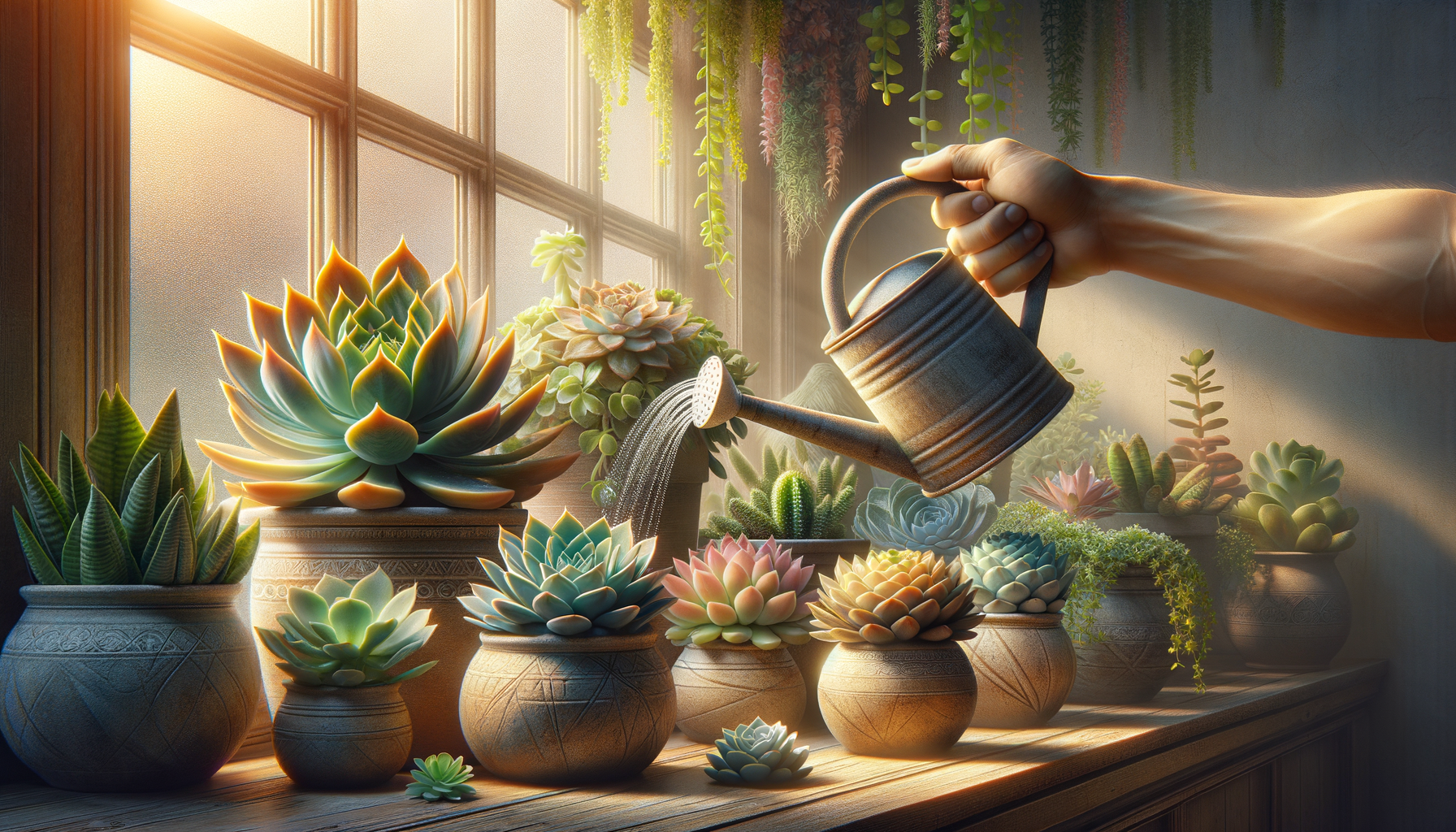
# Introduction to Fertilizing Succulents: Why It Matters
Fertilizing succulents is often overlooked by new plant parents, but it’s a key step in helping these resilient houseplants look their best. While succulents are famous for thriving on neglect, a little extra nutrition goes a long way toward lush growth, vivid colors, and strong roots. In this beginner’s guide, you’ll discover why, when, and how to fertilize your indoor succulents so they thrive for years to come.
# Understanding Succulent Nutrition Needs
# What Makes Succulents Unique?
Succulents—like echeverias, jade plants, haworthias, and aloes—are adapted to arid environments where nutrients are scarce. Indoors, they still prefer lean, well-draining soil, but over time, even the best potting mix becomes depleted. Unlike leafy houseplants, succulents store water in their leaves and stems, so they require less frequent feeding—but they still benefit from the right nutrients at the right time.
# Key Nutrients for Healthy Succulents
The three major nutrients succulents need are nitrogen (N) for leaf and stem growth, phosphorus (P) for roots and blooms, and potassium (K) for overall health and stress resistance. Micro-nutrients like magnesium and iron are also important, but usually present in balanced fertilizers. The goal is to provide just enough nutrition to support steady growth without encouraging soft, lanky leaves or root rot.
# When and How Often Should You Fertilize Succulents?
# Seasonal Feeding Schedule
Succulents have a natural growth cycle, typically waking up in spring and summer, then slowing down in fall and winter. The best time for fertilizing succulents is during their active growing season—usually from March to September in most climates. During this period, a light feeding every 4-6 weeks is ideal for most indoor succulents.
In contrast, during the fall and winter months, reduce or stop fertilizing. Most succulents enter a semi-dormant state and won’t use the extra nutrients, which can build up in the soil and harm roots.
# Signs Your Succulents Need Fertilizer
While succulents aren’t heavy feeders, you might notice:
- Pale or yellowing leaves
- Stunted or slow growth during active months
- Weak stems or poor flowering
These are subtle cues that your succulents could use a light nutritional boost. Always check for other issues (like poor light or overwatering) first, as these are more common causes of succulent stress.
# Choosing the Right Fertilizer for Succulent Houseplants
# Types of Fertilizers: Liquid, Granular, and Organic Options
Fertilizers come in several forms, each with their pros and cons:
- Liquid fertilizers: Easy to dilute and apply with watering, making them ideal for succulents. You have full control over strength and frequency.
- Granular fertilizers: Slow-release granules can be mixed into the soil, providing nutrients over time. These are convenient but can be tricky to dose correctly for small pots.
- Organic fertilizers: Products like worm castings or compost teas add gentle nutrition and improve soil health, but may be less predictable in nutrient content.
For beginners, a balanced liquid fertilizer is the safest bet. Look for products labeled for houseplants or cacti, with a balanced or low-nitrogen ratio (like 3-6-6, 2-7-7, or similar).
# Fertilizer Strength: Less is More
Succulents are sensitive to fertilizer burn, especially from high nitrogen or strong chemical fertilizers. Always dilute liquid fertilizers to half or quarter strength, even if the package says otherwise. For slow-release products, use sparingly—less than what’s recommended for leafy or flowering houseplants.
Some favorite options among home gardeners include:
- Diluted all-purpose houseplant fertilizer (at ¼ strength)
- Specialty succulent or cactus food
- Organic worm castings (sprinkled lightly on the soil surface)
# How to Fertilize Succulents Step-by-Step
# Preparing Your Succulents
Before fertilizing succulents, make sure they are healthy and actively growing. Water your plants a day or two in advance with plain water, especially if the soil is very dry—this helps prevent root burn and ensures even nutrient uptake.
# Mixing and Applying Fertilizer
- Dilute your fertilizer: Mix your chosen liquid fertilizer to half or quarter the recommended strength.
- Apply with water: Pour the diluted fertilizer evenly over the soil, just as you would when watering. Avoid getting fertilizer on the leaves, as this can cause spots or burns.
- Let excess drain: Ensure pots have good drainage. Never let succulents sit in water after feeding.
- Frequency: Repeat every 4-6 weeks during the growing season.
For granular or slow-release fertilizers, follow package instructions—using less than recommended. Mix gently into the top inch of soil and water in well.
# Tips for Safe and Effective Fertilizing
- Use a small measuring spoon or dropper to avoid over-fertilizing small pots.
- Always flush the soil with plain water every 2-3 months to prevent salt buildup.
- Never fertilize stressed, recently repotted, or dormant succulents—wait until they’re actively growing.
# Common Mistakes to Avoid When Fertilizing Succulents
# Over-fertilizing
Giving succulents too much fertilizer can do more harm than good. Signs of over-fertilizing include scorched leaf tips, mushy stems, or sudden leaf drop. When in doubt, err on the side of less—succulents are far more tolerant of underfeeding than overfeeding.
# Fertilizing at the Wrong Time
Feeding during the dormant period stresses succulents and can lead to root rot or weak, elongated growth. Always fertilize in sync with the plant’s active season. If you’re unsure, it’s safer to fertilize less frequently.
# Ignoring Soil and Water Quality
If your potting mix is old, compacted, or doesn’t drain well, fertilizer can accumulate and burn roots. Repot every 2-3 years with a fresh, gritty succulent mix. If you use hard tap water, consider flushing soil with distilled water occasionally to avoid mineral buildup.
# Fertilizing Succulents in Special Situations
# Newly Purchased or Repotted Succulents
Avoid fertilizing succulents for 4-6 weeks after repotting or bringing them home. Give roots time to settle and recover. After this period, you can start your regular feeding schedule.
# Flowering Succulents
If your succulent is blooming, a little extra phosphorus (the middle number in the N-P-K ratio) can support healthy flowers. Use a bloom-boosting fertilizer (such as 2-7-7) at very low strength, only once or twice per season.
# Propagating Succulents
For leaf or stem cuttings, wait until roots are established and new growth appears before applying any fertilizer. Young plants are easily burned by excess nutrients.
# Frequently Asked Questions About Fertilizing Succulents
# Can I Use Regular Houseplant Fertilizer on Succulents?
Yes, but only at a much lower strength. Regular houseplant fertilizers are often too rich for succulents. Dilute them to one-quarter the recommended dose, and monitor your plants for signs of overfeeding.
# How Do I Know If My Succulent Needs Fertilizer?
Healthy succulents often don’t show obvious hunger, but if you notice pale leaves, weak growth, or poor color during the growing season, a gentle feed can help. Always rule out lighting and watering issues first.
# Should I Fertilize Succulents in Winter?
No. Most indoor succulents are semi-dormant in winter and don’t need extra nutrients. Resume fertilizing in spring when new growth appears.
# Conclusion: Fertilizing Succulents for Thriving Houseplants
Fertilizing succulents doesn’t have to be complicated! With a gentle hand and a little timing, you can give your indoor succulents the nutrition they need for strong roots, compact growth, and vibrant color. Remember: fertilize lightly and only during the active growing season, use a diluted, balanced fertilizer, and always prioritize healthy soil and good watering practices. By following these simple steps, you’ll enjoy happy, thriving succulents that brighten your home year-round.