
Effective Ways to Increase Indoor Humidity for Tropical Houseplants
Discover proven techniques to increase indoor humidity for tropical houseplants and help your green friends thrive, even in dry home environments.
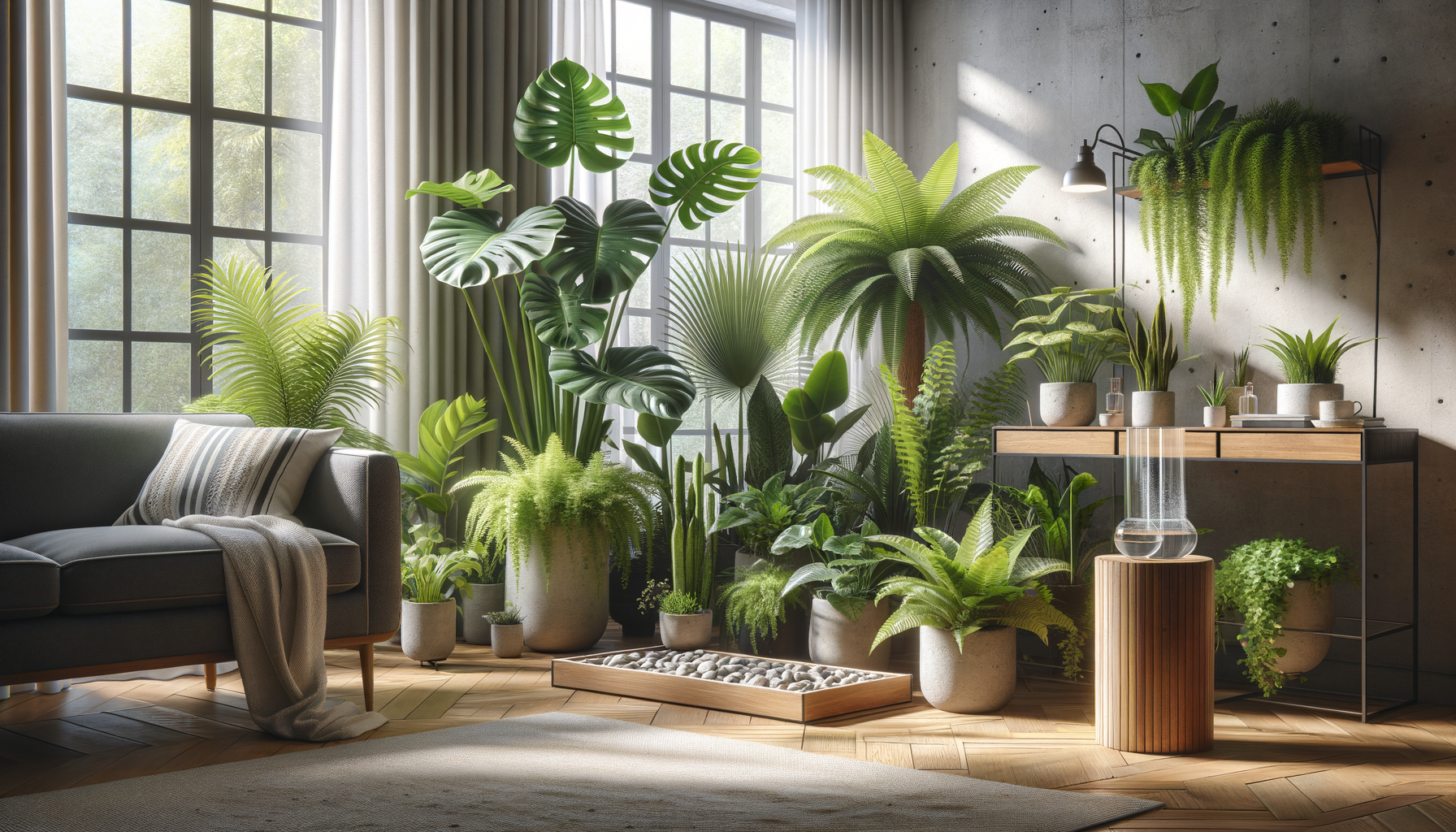
# Why Increasing Indoor Humidity Matters for Tropical Houseplants
Tropical houseplants have exploded in popularity, bringing lush, jungle-like beauty into homes of all sizes. But to truly thrive, these green companions need more than just the right light and watering routine—they crave the higher humidity of their native rainforests. If you want vibrant leaves, healthy growth, and fewer pest problems, it’s essential to increase indoor humidity for tropical houseplants.
Many homes—especially those with central heating or air conditioning—have humidity levels far below what tropical plants prefer. Most tropicals love humidity between 50-80%, but indoor air often hovers around 30% or lower. This can lead to brown leaf tips, crispy edges, slowed growth, and increased vulnerability to pests like spider mites.
Luckily, there are many practical and effective methods to increase indoor humidity for tropical houseplants. Whether you’re tending a single monstera or curating a full-blown urban jungle, these tips will help keep your plants looking their best year-round.
# Understanding Humidity and Your Home
Before diving into specific strategies, it helps to understand what humidity is and how it affects your indoor environment.
Humidity refers to the amount of water vapor in the air. Relative humidity (RH) is the percentage of moisture in the air compared to the maximum it could hold at a given temperature. Tropical rainforests often see RH levels above 70%—a far cry from most modern homes.
Low humidity can be caused by several factors:
- Central heating and air conditioning dry out the air
- Sealed windows and doors reduce natural moisture exchange
- Seasonal changes, especially in winter
Keeping a simple hygrometer on hand can help you track your home’s humidity and respond quickly to drops.
# Practical Ways to Increase Indoor Humidity for Tropical Houseplants
# Use a Humidifier
The most reliable and controllable way to increase indoor humidity for tropical houseplants is by using a humidifier. There are several types:
- Ultrasonic humidifiers: Quiet, energy-efficient, and great for small to medium spaces. They create a fine mist that quickly increases humidity.
- Evaporative humidifiers: Use a fan to blow air through a wet wick or filter. These are often larger and suitable for bigger rooms.
- Warm mist (steam) humidifiers: Heat water to produce steam. They can raise room temperature slightly, which may benefit some warmth-loving tropicals in winter.
Tips for using a humidifier:
- Place it near your plant collection, but avoid aiming the mist directly at leaves to prevent water spots or fungal issues.
- Use distilled water to avoid mineral buildup.
- Clean the unit regularly to prevent mold and bacteria.
- Run the humidifier during the day, especially in the winter or when heaters are on.
# Create Pebble Trays
Pebble trays are a classic, low-tech way to increase humidity around your plants. Here’s how:
- Find a shallow tray or saucer slightly larger than your plant pot.
- Fill it with a layer of pebbles or decorative stones.
- Add water until it almost reaches the top of the stones, but not so much that the pot sits in water.
- Place your potted plant on top.
As water evaporates from the tray, it increases humidity in the immediate area around your plant. It’s a gentle, maintenance-free boost that’s especially helpful for humidity-loving plants like ferns, calatheas, and prayer plants.
# Group Plants Together
Plants naturally release moisture through a process called transpiration. By clustering your tropical houseplants closely together, you create a mini microclimate where humidity levels are higher than in the rest of the room. This is sometimes called “the greenhouse effect.”
- Try grouping plants with similar humidity needs together.
- Place humidity-lovers (e.g., ferns, Calatheas, Alocasia) in the center for maximum benefit.
- Grouping plants on shelves, plant stands, or tables helps trap moisture.
# Mist Your Plants (With Caution)
Misting is a popular method to increase indoor humidity for tropical houseplants, but it’s best used as a supplement rather than a primary strategy.
Pros:
- Provides a quick, temporary humidity boost.
- Helps remove dust from leaves.
Cons:
- The effect is short-lived—humidity spikes for just a few minutes.
- Excess moisture may encourage fungal diseases if done too often or late in the day.
Tips for safe misting:
- Use a fine spray bottle to mist the air around your plants, not directly onto the leaves.
- Mist early in the day so leaves dry before nighttime.
- Avoid misting fuzzy-leaved plants (like African violets) or those prone to leaf spots.
# Additional Strategies to Boost Humidity
# Incorporate Water Features
If you want to really elevate your plant’s environment—and your home’s ambiance—consider adding a small indoor water feature. Tabletop fountains, decorative bubbling bowls, or even an aquarium can steadily increase indoor humidity for tropical houseplants.
Benefits:
- Adds continuous moisture to the air.
- Provides relaxing sound and visual interest.
- Doubles as a unique decor element.
Just be sure to keep water features clean to prevent mosquito breeding or algae growth.
# Move Plants to Naturally Humid Spaces
Bathrooms and kitchens tend to have higher humidity thanks to running water and steam from showers or cooking. If you have space and enough light, these rooms can be ideal for humidity-loving tropicals.
- Place ferns, calatheas, or orchids on a bathroom shelf or windowsill.
- Avoid placing plants too close to stoves or direct streams of hot water.
- Make sure there’s enough natural or artificial light for your plants to thrive.
# Use Enclosed Terrariums or Mini Greenhouses
Terrariums and mini-greenhouses are excellent for boosting humidity for small tropical plants. The enclosed environment traps moisture, creating a self-sustaining microclimate.
- Choose glass terrariums with lids for best results.
- Open the lid occasionally to prevent mold and allow air exchange.
- Use terrariums for humidity-loving species like Fittonia, ferns, or baby Alocasia.
# Drying Laundry Indoors or Placing Damp Towels Nearby
A simple trick: let your laundry dry indoors or place a damp towel or sponge near your plant collection. As the moisture evaporates, it will help increase indoor humidity in the immediate area. This is a particularly handy method during winter when indoor air is driest.
# Monitoring and Maintaining Humidity Levels
# How to Measure Humidity
A hygrometer is a small, inexpensive device that displays current humidity levels. Digital models are widely available online or at garden centers.
- Place the hygrometer near your plant cluster for the most accurate reading.
- Aim for 50-80% humidity for most tropical houseplants.
- Monitor daily, especially during seasonal changes.
# Signs Your Plants Need More Humidity
Even with your best efforts, your plants will let you know if they need more humidity. Watch for these signs:
- Brown, crispy leaf edges or tips
- Wilting or drooping despite moist soil
- Leaf drop (especially in ferns and calatheas)
- Slow growth or stalled new leaves
- Increased pest problems, especially spider mites
If you notice any of these issues, it’s time to ramp up your humidity-boosting strategies.
# Common Myths and Mistakes About Increasing Indoor Humidity
There’s plenty of advice floating around about humidity and houseplants, but not all of it hits the mark! Let’s clear up a few misconceptions:
# Myth 1: Misting Alone Is Enough
As mentioned earlier, misting can provide a quick boost, but it doesn’t maintain high humidity for long. For lasting results, focus on methods like humidifiers, pebble trays, and grouping plants.
# Myth 2: Any Humidity Is Good Humidity
While tropical plants love moisture, too much can backfire. Consistently high humidity (over 80-85%) without good air circulation can create a breeding ground for mold, mildew, and fungal diseases. Always balance humidity with adequate airflow—run a fan on low nearby or occasionally open a window.
# Myth 3: All Houseplants Need High Humidity
Not every houseplant craves steamy air. Succulents, cacti, and many foliage plants like snake plants or pothos are perfectly happy in average home humidity. It’s the true rainforest natives—think ferns, calatheas, alocasias, and monsteras—that benefit most from increased humidity.
# Tips for Long-Term Success: Creating a Sustainable Humid Environment
- Combine several methods for best results (e.g., use a humidifier, group plants, and add pebble trays).
- Clean humidifiers, trays, and water features regularly to prevent fungal issues.
- Rotate your plant collection seasonally—move humidity-lovers to bathrooms in winter, or closer to the humidifier when heaters are running.
- Avoid sudden changes in humidity, which can shock sensitive plants.
- Don’t forget airflow! Humidity without circulation encourages disease.
# Conclusion: How to Increase Indoor Humidity for Tropical Houseplants
Increasing indoor humidity for tropical houseplants is one of the most impactful steps you can take for lush, vibrant growth. By understanding your home’s humidity, using tools like humidifiers and pebble trays, grouping plants, and making strategic use of misting and water features, you’ll create a thriving, rainforest-inspired environment right in your living room. Remember to monitor conditions with a hygrometer, watch your plants for signs of stress, and adjust your methods as needed. With a little effort, you’ll enjoy happier, healthier tropical plants that truly shine in your indoor jungle.