
How to Care for Air Plants Indoors: Light, Watering & Placement
Discover expert indoor air plant care tips for thriving Tillandsia—covering light, watering, and placement for healthy, vibrant displays at home.
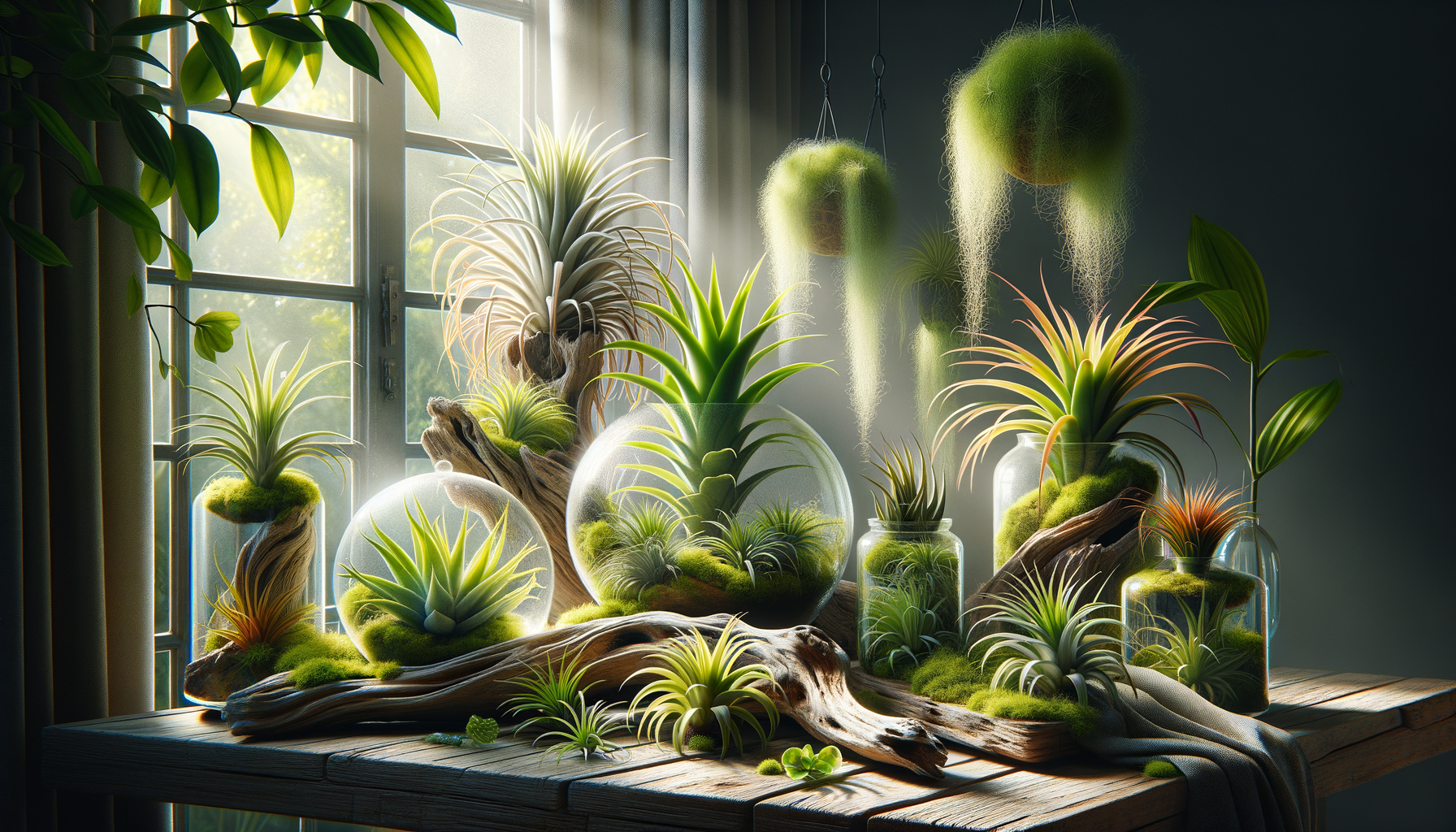
# Introduction to Indoor Air Plant Care
Air plants, or Tillandsia, have captured the imagination of home gardeners everywhere with their sculptural shapes and soil-free lifestyle. Whether you’re a seasoned plant parent or just starting your indoor gardening journey, mastering indoor air plant care is essential for keeping these unique beauties thriving. In this guide, we’ll explore the best practices for light, watering, and placement to ensure your Tillandsia flourish inside your home.
# Understanding Air Plants: What Makes Them Unique?
Air plants belong to the genus Tillandsia, a group of epiphytes native to forests, mountains, and deserts of Central and South America. Unlike typical houseplants, they don’t require soil—absorbing water and nutrients through their leaves instead of roots. This unique trait makes indoor air plant care both fascinating and distinct from other plant care routines.
# The Epiphytic Lifestyle
Epiphytes grow on other surfaces, such as trees or rocks, without drawing nutrients from their host. In the wild, air plants benefit from humid breezes and filtered sunlight found in tree canopies. Replicating these natural conditions indoors is the key to healthy air plants.
# Key Varieties for Indoor Spaces
There are over 600 species of Tillandsia, but some of the most popular for indoor air plant care include Tillandsia ionantha, T. xerographica, and T. stricta. Each variety brings its own flair, but the care fundamentals remain consistent.
# Light Requirements for Indoor Air Plant Care
Light is the single most important factor in indoor air plant care. Providing the right amount and quality of light will keep your air plants vibrant and blooming.
# Best Light Conditions for Air Plants Indoors
Air plants thrive in bright, indirect light. East- or west-facing windows are ideal, providing gentle morning or afternoon sun. If your space is dim, supplement with full-spectrum grow lights placed about 12 inches above the plants. Direct sun, especially through glass, can scorch delicate leaves, so always avoid placing air plants in hot, direct sunlight for extended periods.
# Signs Your Air Plant Needs More (or Less) Light:
- Too little light: Faded color, elongated leaves, or lack of blooming
- Too much light: Crispy, brown leaf tips or bleached patches
Rotate your air plants every week so all sides receive equal light, especially if they’re displayed in glass globes or terrariums.
# Adapting to Seasonal Changes
Light intensity changes with the seasons. In winter, move your air plants closer to windows or increase artificial light. During sunny summer months, consider moving them a bit further from direct rays or using sheer curtains to diffuse harsh light.
# Watering Your Air Plants: The Art of Hydration
Watering is often the trickiest part of indoor air plant care. Since air plants don’t live in soil, it’s crucial to understand how, when, and how much to water them.
# How Often to Water Air Plants Indoors
Most air plants thrive on a regular soaking schedule. As a general rule:
- Standard homes: Soak your air plants once per week.
- Dry climates or heated rooms: Increase to twice per week.
- Humid environments: Once every 10-14 days may suffice.
# Watering Methods: Soaking vs. Misting
# Soaking
The best way to water air plants is to submerge them completely in room-temperature water for 20-30 minutes. After soaking, shake off excess water and lay the plants upside down on a towel to dry for a couple of hours. This prevents water from getting trapped in the plant’s base, which can cause rot.
# Misting
Misting is a helpful supplement, especially in very dry rooms or between soakings. However, misting alone is rarely enough for most indoor environments. Use a spray bottle to give plants a light misting 2-3 times a week, but don’t rely solely on misting for hydration.
# Pro Tips for Watering:
- Use rainwater, filtered, or distilled water—tap water can contain minerals that may harm air plants over time.
- Avoid soaking blooming air plants; instead, mist them to protect the flowers.
- Always ensure plants dry fully within 4 hours after watering to prevent rot.
# Placement Tips: Where to Display Air Plants Indoors
With their versatile, soil-free nature, air plants can be displayed almost anywhere. Still, thoughtful placement is integral to successful indoor air plant care.
# Air Circulation Matters
Air plants need good airflow to thrive. Stagnant air can encourage mold or rot, so avoid enclosed containers with no ventilation. Open terrariums, mounted displays, or hanging arrangements all provide better air movement than closed jars or cloches.
# Creative Display Ideas
- Mounted on driftwood or cork bark: Use non-toxic glue or wire to secure plants
- Glass globes or terrariums: Choose open designs for airflow
- Shells, stones, or decorative bowls: As long as water can drain away and air circulates
- Hanging from string or wire: Create dynamic vertical displays
When placing air plants, keep them away from heating/cooling vents, fireplaces, or drafty windows. Sudden temperature changes and dry blasts of air can stress your plants.
# Fertilizing and Long-Term Indoor Air Plant Care
While air plants can survive on water and light alone, occasional feeding keeps them at their best, encouraging growth and blooms.
# Choosing the Right Fertilizer
Look for a bromeliad or air plant-specific fertilizer. These contain the right nutrient blend and are typically low in copper, which can harm air plants. Use a water-soluble fertilizer diluted to quarter strength.
# How and When to Fertilize
- Fertilize once a month during spring and summer (growing season)
- Add the diluted fertilizer to your soaking water
- Avoid fertilizing more than once a month, as excess nutrients can burn the leaves
# Troubleshooting Common Air Plant Problems Indoors
Even with attentive indoor air plant care, issues can arise. Here’s how to spot and solve the most frequent problems:
# Brown or Crispy Leaf Tips
Often a sign of underwatering or too much direct sun. Increase watering frequency and move your plant to a spot with bright, indirect light.
# Rot or Mushy Leaves
Usually caused by overwatering or poor air circulation. Make sure your air plants dry completely after watering, and never leave them sitting in water. If rot sets in, remove affected leaves and improve airflow.
# Lack of Growth or Flowering
Could be due to insufficient light, infrequent watering, or lack of nutrients. Evaluate your care routine and make gradual adjustments—air plants are slow growers, so patience is key.
# Seasonal Adjustments for Indoor Air Plant Care
Your approach to indoor air plant care should change with the seasons to keep your Tillandsia happy year-round.
# Winter Care Tips
- Move plants closer to windows as natural light fades
- Reduce watering frequency if air is cool and humidity is higher
- Watch for drafts from windows or heating vents
# Summer Care Tips
- Protect from intense midday sun with sheer curtains
- Increase watering if indoor air is dry from AC use
- Mist plants between soakings if needed
# Indoor Air Plant Care: Frequently Asked Questions
Q: Can I keep air plants in the bathroom?
A: Bathrooms can be great for air plants if there’s good light and occasional humidity from showers. Just ensure they still dry fully after watering.
Q: What if my air plant produces pups?
A: After blooming, many air plants produce small offsets (pups). Wait until pups are about a third the size of the parent before gently separating and potting them elsewhere.
Q: Do air plants need pruning?
A: Remove any dead or brown leaves by gently pulling them away. Otherwise, air plants require little pruning.
# Conclusion: Indoor Air Plant Care for Thriving Tillandsia
With the right approach to light, watering, and placement, indoor air plant care is both fun and rewarding. Remember to provide bright, indirect light, soak your plants regularly, ensure excellent air circulation, and fertilize sparingly for best results. With these practical tips, your Tillandsia will reward you with vibrant growth and, with a little luck, beautiful blooms. Happy growing!