
Common Indoor Plant Pests and Natural Ways to Control Them
Discover the most common indoor plant pests and learn natural, effective methods to control them. Keep your houseplants healthy, vibrant, and pest-free.
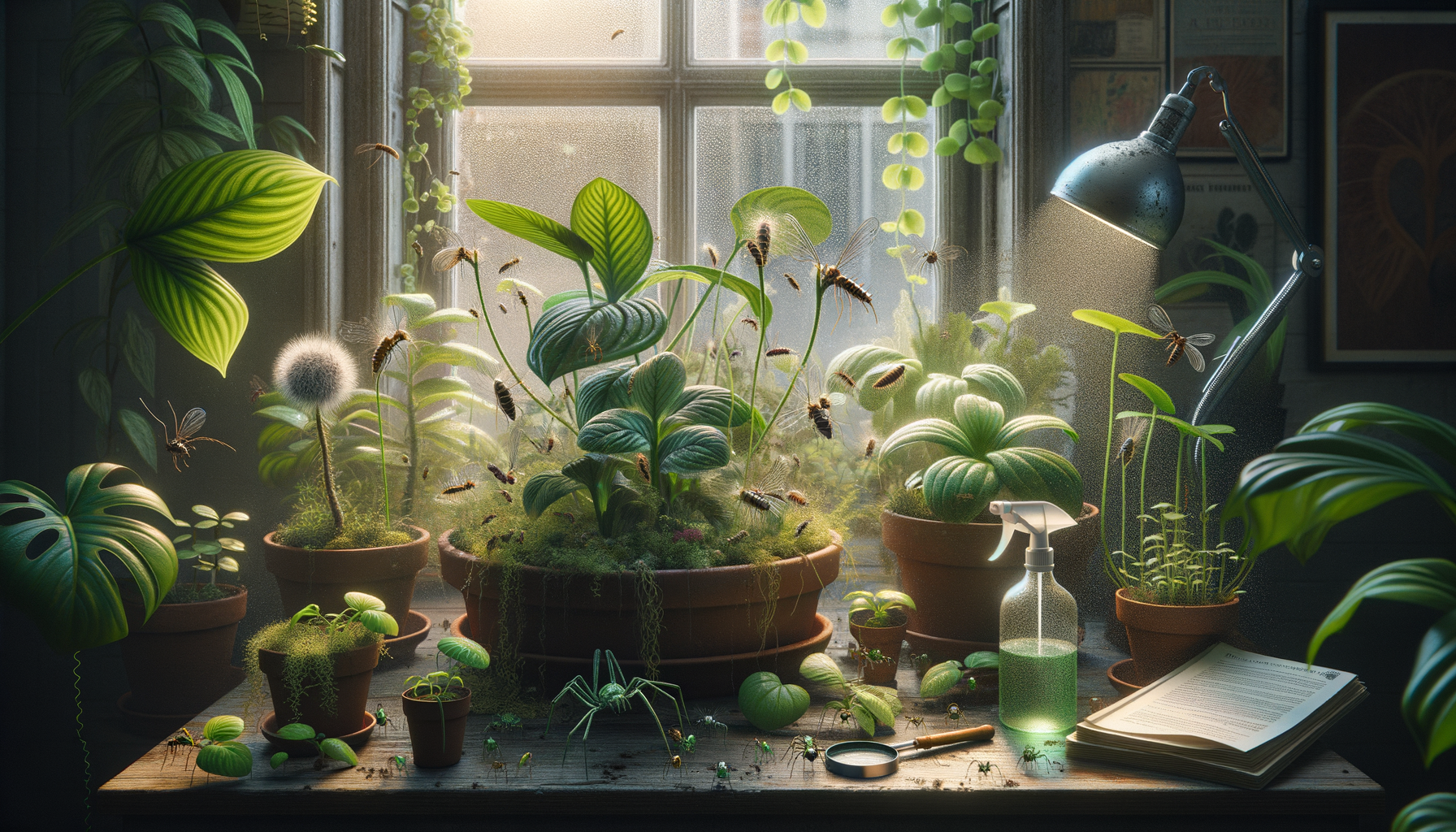
# Understanding Indoor Plant Pests
Keeping indoor plants happy and healthy is a joy for many home gardeners, but indoor plant pests can quickly turn that joy into frustration. These tiny invaders often hitchhike into your home on new plants or sneak in through open windows, and before you know it, they’re causing damage and stress to your beloved greenery. Thankfully, with a little knowledge and a natural approach, you can identify, prevent, and control the most common indoor plant pests without resorting to harsh chemicals.
In this guide, we’ll walk you through the most common indoor plant pests you’re likely to encounter, how to spot them, and practical, natural ways to protect your plants.
# Most Common Indoor Plant Pests
Indoor plant pests come in many forms, but a handful of culprits are responsible for most issues. Recognizing these pests early is the key to keeping your indoor garden thriving.
# 1. Aphids
Aphids are tiny, soft-bodied insects that cluster on new growth, stems, and the undersides of leaves. They come in shades of green, black, yellow, or brown and feed by sucking sap from plants. Aphids can cause distorted leaves, sticky honeydew deposits, and attract ants.
Signs of Aphids:
- Curling, yellowing, or deformed leaves
- Sticky residue (honeydew) on leaves or nearby surfaces
- Presence of ants (attracted by honeydew)
# 2. Spider Mites
Spider mites are microscopic arachnids that thrive in warm, dry indoor conditions. They typically colonize the undersides of leaves, spinning fine webbing and causing a stippled, dusty appearance on foliage.
Signs of Spider Mites:
- Fine, silky webbing on leaves and stems
- Tiny yellow or brown spots on leaves
- Leaves appearing dusty or speckled
# 3. Mealybugs
Mealybugs are small, white, cotton-like insects that hide in leaf axils, stem joints, and under leaves. They suck sap from plants, leading to wilting and stunted growth.
Signs of Mealybugs:
- White, fluffy masses on leaves, stems, or roots
- Sticky honeydew on plant surfaces
- Leaf drop or plant decline
# 4. Scale Insects
Scale insects appear as small, rounded bumps on plant stems and leaves. They’re often brown, tan, or gray, and can be mistaken for part of the plant. Like other pests, they feed on plant sap.
Signs of Scale:
- Hard or soft bumps on stems and leaves
- Yellowing leaves
- Weak or stunted plant growth
# 5. Fungus Gnats
Fungus gnats are tiny black flies that hover around soil. Their larvae feed on organic matter and roots, potentially damaging young or weak plants.
Signs of Fungus Gnats:
- Small black flies around soil and plants
- Wilting or yellowing in young plants
- Slow plant growth
# 6. Whiteflies
Whiteflies are small, white, moth-like insects that fly up in clouds when a plant is disturbed. They feed on plant sap and weaken plants, leaving behind sticky honeydew.
Signs of Whiteflies:
- Tiny white insects on the undersides of leaves
- Sticky honeydew and yellowing leaves
- Leaves dropping prematurely
# How to Identify and Monitor Indoor Plant Pests
The first step in managing indoor plant pests is vigilant monitoring. Early detection is crucial for effective, natural control.
# Regular Inspection Routine
Make it a habit to inspect your plants weekly. Check under leaves, in leaf axils, along stems, and in the soil. Use a magnifying glass if needed—many pests are tiny and easily missed.
Key Inspection Steps:
- Look for discolored or deformed leaves
- Check for sticky residues, webbing, or visible insects
- Examine new plant growth, where pests often congregate
# Quarantine New Plants
Whenever you bring a new plant home, quarantine it away from your existing collection for at least two weeks. This allows you to monitor for signs of pests before introducing the plant to the rest of your indoor garden.
# Natural Ways to Control Indoor Plant Pests
Using natural, non-toxic methods to control indoor plant pests is better for your plants, your health, and the environment. Here are some of the most effective techniques home gardeners can use:
# 1. Manual Removal
For small infestations, physically removing pests is often the simplest solution.
- Aphids, mealybugs, and scale: Wipe off with a damp cloth or cotton swab dipped in rubbing alcohol.
- Spider mites: Rinse leaves with a strong stream of water to dislodge them.
- Fungus gnats: Remove the top inch of soil and replace it with fresh, sterile potting mix.
# 2. Neem Oil Spray
Neem oil is a natural, plant-derived pesticide that disrupts the life cycle of many indoor plant pests without harming beneficial insects or humans. Mix 1-2 teaspoons of neem oil with a few drops of mild liquid soap in a quart of water. Spray the solution thoroughly on affected plants, especially the undersides of leaves.
Use tips:
- Apply every 7-10 days until the infestation is under control.
- Test on a small area first to ensure your plant tolerates the spray.
# 3. Insecticidal Soap
Insecticidal soap is another safe, natural option. You can buy ready-made versions or make your own by mixing a few drops of mild, fragrance-free dish soap with a quart of water. Spray directly on pests.
Caution: Avoid soaps with degreasers or antibacterial agents, which may harm plants.
# 4. Diatomaceous Earth
Food-grade diatomaceous earth is a fine powder made from fossilized algae. Sprinkle it on soil surfaces to deter fungus gnats, or dust it on foliage to control crawling insects. It works by dehydrating soft-bodied pests.
# 5. Sticky Traps
Yellow sticky traps are effective for monitoring and reducing populations of fungus gnats and whiteflies. Place traps near the base of affected plants or hang them from branches. Replace as needed.
# 6. Beneficial Insects
While more common in greenhouses, some home gardeners release beneficial insects like ladybugs or predatory mites indoors. These natural predators feed on pests such as aphids and spider mites. Make sure your indoor environment can support these helpers before introducing them.
# 7. Garlic or Chili Spray
Homemade sprays made from garlic or chili can deter many soft-bodied pests. To make, blend a few cloves of garlic or a hot chili pepper with water, strain, and spray onto affected plants. Always test on a small area first to avoid plant injury.
# Preventing Indoor Plant Pests Naturally
Prevention is always easier than cure when it comes to indoor plant pests. Adopting healthy plant care practices will make your houseplants less attractive to pests and more resilient if they do appear.
# Maintain Healthy Plants
Strong, healthy plants are less susceptible to infestation. Ensure your plants receive appropriate light, water, and nutrition. Avoid overwatering, as soggy soil attracts fungus gnats and root-feeding pests.
# Improve Air Circulation
Good airflow discourages pests like spider mites and fungus. Avoid overcrowding your plants and occasionally use a small fan to increase circulation, especially in humid rooms.
# Keep Leaves Clean
Dusty leaves are a magnet for pests. Wipe leaves regularly with a damp cloth to remove dust, debris, and any newly arrived insects.
# Use Clean Pots and Soil
Always use fresh, sterile potting soil and clean pots when repotting. Avoid reusing old soil, which may harbor eggs or larvae of indoor plant pests.
# Inspect Regularly
Frequent, careful inspection is your best defense. The sooner you spot a problem, the easier it is to control naturally.
# When Natural Methods Aren’t Enough
In most cases, persistence with these natural solutions will control or eliminate indoor plant pests. However, if an infestation is severe and threatens your entire collection, you may need to consider additional steps:
- Remove and dispose of heavily infested plants to protect others.
- Isolate affected plants until the problem is under control.
- If absolutely necessary, use a targeted, least-toxic chemical treatment as a last resort—always follow label instructions and use caution indoors.
Remember, chemical controls can harm beneficial insects and may create resistance over time, so reserve them for emergencies only.
# Conclusion: Winning the Battle Against Indoor Plant Pests
Indoor plant pests are a common challenge for every home gardener, but they don’t have to spell disaster for your indoor oasis. By learning to recognize the signs of aphids, spider mites, mealybugs, scale, fungus gnats, and whiteflies, and by adopting regular inspection routines, you’ll catch problems early. Natural pest control methods—like manual removal, neem oil, insecticidal soap, and good cultural practices—offer safe, effective solutions for managing these unwelcome guests.
Prevention is your best friend: keep your plants healthy, maintain clean growing conditions, and quarantine new arrivals. With patience and persistence, you’ll keep your indoor garden thriving and your indoor plant pests at bay—naturally. Happy gardening!