
Step-by-Step Guide to Indoor Plant Propagation at Home
Discover how to propagate popular indoor plants with this clear, step-by-step guide, perfect for beginners and experienced home gardeners alike.
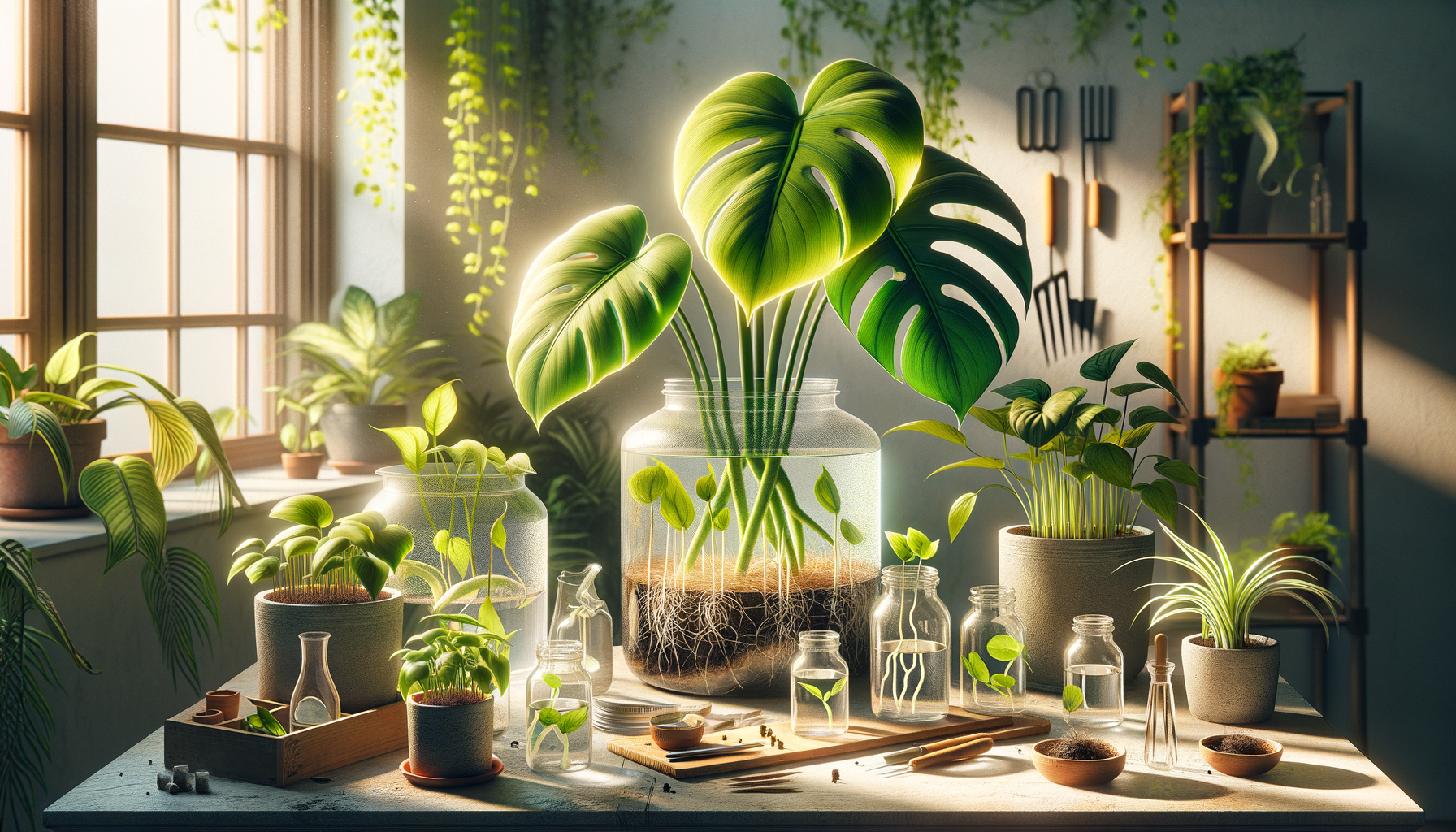
# Introduction to Indoor Plant Propagation
Propagating indoor plants is one of the most rewarding ways to expand your collection, share with friends, or rejuvenate older plants. Indoor plant propagation involves creating new plants from existing ones using methods like stem cuttings, division, or leaf propagation. Whether you're a beginner or a seasoned home gardener, mastering this skill can save you money and bring a sense of accomplishment to your indoor gardening journey.
# Why Propagate Indoor Plants?
Indoor plant propagation is more than just a fun experiment—it offers several practical benefits:
- Cost-effective: Grow new plants without buying more.
- Healthier plants: Rejuvenate leggy or aging specimens.
- Personal satisfaction: Watch new roots and shoots develop from your own efforts.
- Sharing: Gift propagated plants to friends and family.
Not all indoor plants propagate the same way. Understanding the best techniques for each type increases your chances of success.
# Tools and Supplies Needed for Indoor Plant Propagation
Before you start, gather these essentials to ensure a smooth propagation process:
- Sharp, clean scissors or pruning shears: Prevents damage and disease transmission.
- Small pots or containers: For rooting or planting cuttings.
- Clear glass jars or vases: Perfect for water propagation.
- Fresh, high-quality potting mix: Ensures healthy root development.
- Rooting hormone (optional): Encourages faster rooting for some plants.
- Spray bottle: Maintains humidity for sensitive cuttings.
- Labels and markers: Track plant types and propagation dates.
# Step-by-Step Indoor Plant Propagation Methods
Let’s dive into the practical steps for propagating some of the most popular indoor plants at home.
# Propagating Pothos (Epipremnum aureum) by Stem Cuttings
Pothos is a favorite among home gardeners for its easy care and fast growth. Stem cuttings in water is the most common propagation method.
- Select a Healthy Vine:
- Choose a healthy stem with at least 3-4 leaves and several nodes (the small bumps where leaves and roots grow).
- Make the Cut:
- Using sterilized scissors, cut below a node, leaving at least one node on the cutting.
- Remove Lower Leaves:
- Strip leaves from the bottom node(s), leaving two or more leaves at the top.
- Place in Water:
- Position the cutting in a glass jar so the nodes are submerged, but leaves remain above water.
- Wait for Roots:
- Place the jar in bright, indirect light. Change water every 3–5 days. Roots should appear in 2–4 weeks.
- Plant in Soil:
- Once roots are at least 2 inches long, transfer the cutting to a pot with fresh potting mix.
# Propagating Monstera (Monstera deliciosa) from Stem Cuttings
Monsteras are beloved for their dramatic, split leaves and are also easy to propagate.
- Identify a Node:
- Look for a stem with a node and an aerial root if possible.
- Cut Below the Node:
- Using clean shears, make a cut just below the node.
- Water vs. Soil:
- Place the cutting in water (ensuring node is submerged) or plant directly in moist potting mix.
- Encourage Root Growth:
- For water propagation, change water regularly. In soil, keep mix lightly moist and provide indirect light.
- Transplant (if in water):
- Once roots are 2-3 inches, move to soil. Keep humidity high for the first week.
# Propagating Snake Plant (Sansevieria) by Leaf Cuttings
Snake plants are a bit different—they can be propagated from leaf segments.
- Cut a Healthy Leaf:
- With a clean knife, cut a leaf near the base.
- Divide into Segments:
- Slice the leaf into 2–3 inch pieces, keeping track of which end was closest to the base.
- Let Callous:
- Allow cut pieces to air dry for 1–2 days to prevent rot.
- Plant in Soil:
- Insert the bottom end of each segment into moist, well-draining soil.
- Wait for Roots:
- Keep in bright, indirect light, water sparingly. Roots and new pups appear in 4–6 weeks.
# Propagating Spider Plant (Chlorophytum comosum) by Offsets
Spider plants regularly produce baby plants (plantlets) on long stems, making propagation straightforward.
- Identify Healthy Plantlets:
- Look for plantlets with small roots already developing.
- Remove Plantlet:
- Gently snip the plantlet from the main plant.
- Root in Water or Soil:
- Place plantlet in water until roots are 1–2 inches or plant directly in soil.
- Transplant:
- Move to a pot once roots are more established. Keep soil moist initially.
# Tips for Successful Indoor Plant Propagation
# Timing and Environment
- Spring and early summer are ideal for most propagation, as plants are actively growing.
- Maintain bright, indirect light to encourage healthy root development.
- Keep temperatures warm (between 65–75°F / 18–24°C) and avoid cold drafts.
# Hygiene and Disease Prevention
- Always sterilize tools before and after use to prevent disease spread.
- Remove any rotting cuttings promptly to avoid contaminating healthy ones.
- Change water regularly if propagating in jars to prevent bacterial growth.
# Humidity and Moisture
- Some plants root best with higher humidity—use a clear plastic bag or mini greenhouse to trap moisture around sensitive cuttings.
- Avoid overwatering, which can lead to rot and fungal issues.
# Rooting Hormones: When and Why to Use Them
- Not all plants need rooting hormone, but it can help stubborn or slow-rooting species.
- Dip the cut end into powder or gel before planting in soil.
- Store rooting hormone in a cool, dry place and use sparingly.
# Common Mistakes in Indoor Plant Propagation (and How to Avoid Them)
Even experienced gardeners can run into challenges. Here are some pitfalls to watch for:
- Using unhealthy parent plants: Always propagate from healthy, pest-free specimens for best results.
- Forgetting to label cuttings: Different plants need different care; labeling helps you track progress.
- Neglecting environmental needs: Too little light or too much humidity can hinder rooting.
- Overcrowding cuttings in water: Give each cutting space to avoid competing for oxygen and nutrients.
- Impatience: Resist the urge to check roots too often—disturbing cuttings can delay growth.
# Propagating Less Common Indoor Plants
While the classics (pothos, monstera, spider plant, snake plant) are the easiest, you can also propagate other popular houseplants:
- ZZ Plant (Zamioculcas zamiifolia): Divide rhizomes or root leaf cuttings in moist soil.
- Peperomia: Stem or leaf cuttings root well in water or soil.
- Philodendron: Similar to pothos—use stem cuttings with at least one node.
- Begonia: Leaf or stem cuttings; keep high humidity for best results.
- African Violets: Propagate from leaf cuttings placed in moist potting mix.
Always research the specific needs of each plant before attempting propagation.
# Troubleshooting Indoor Plant Propagation
# Why Aren’t My Cuttings Rooting?
- Too little light: Move to a brighter (but indirect) spot.
- Water too cold: Use room-temperature water for rooting.
- Old or woody stems: Use younger, more flexible growth for best results.
- Rotting cuttings: Let cut ends callous longer, reduce watering, or increase airflow.
# How to Know When to Pot Up
- Roots are visible and at least 1–2 inches long.
- New leaves or shoots are appearing.
- Cutting feels anchored when you tug gently.
Transition gradually—acclimate to soil by keeping humidity high at first, then slowly reduce as the plant establishes.
# Conclusion: Indoor Plant Propagation for Every Gardener
Indoor plant propagation is a gratifying, budget-friendly way to expand your indoor garden and share the joy of plants with others. With the right tools, a little patience, and a willingness to experiment, home gardeners can propagate favorites like pothos, monstera, snake plant, and spider plant with confidence. Remember: start with healthy parent plants, follow the step-by-step techniques for each species, and provide the right environment for rooting success. With practice, indoor plant propagation will become second nature, and you'll enjoy a thriving, ever-growing collection of beautiful houseplants.