
How to Diagnose and Treat Leaf Spot Diseases on Houseplants
Learn to identify, treat, and prevent leaf spot diseases on houseplants with expert tips. Keep your indoor greenery healthy and spot-free all year round.
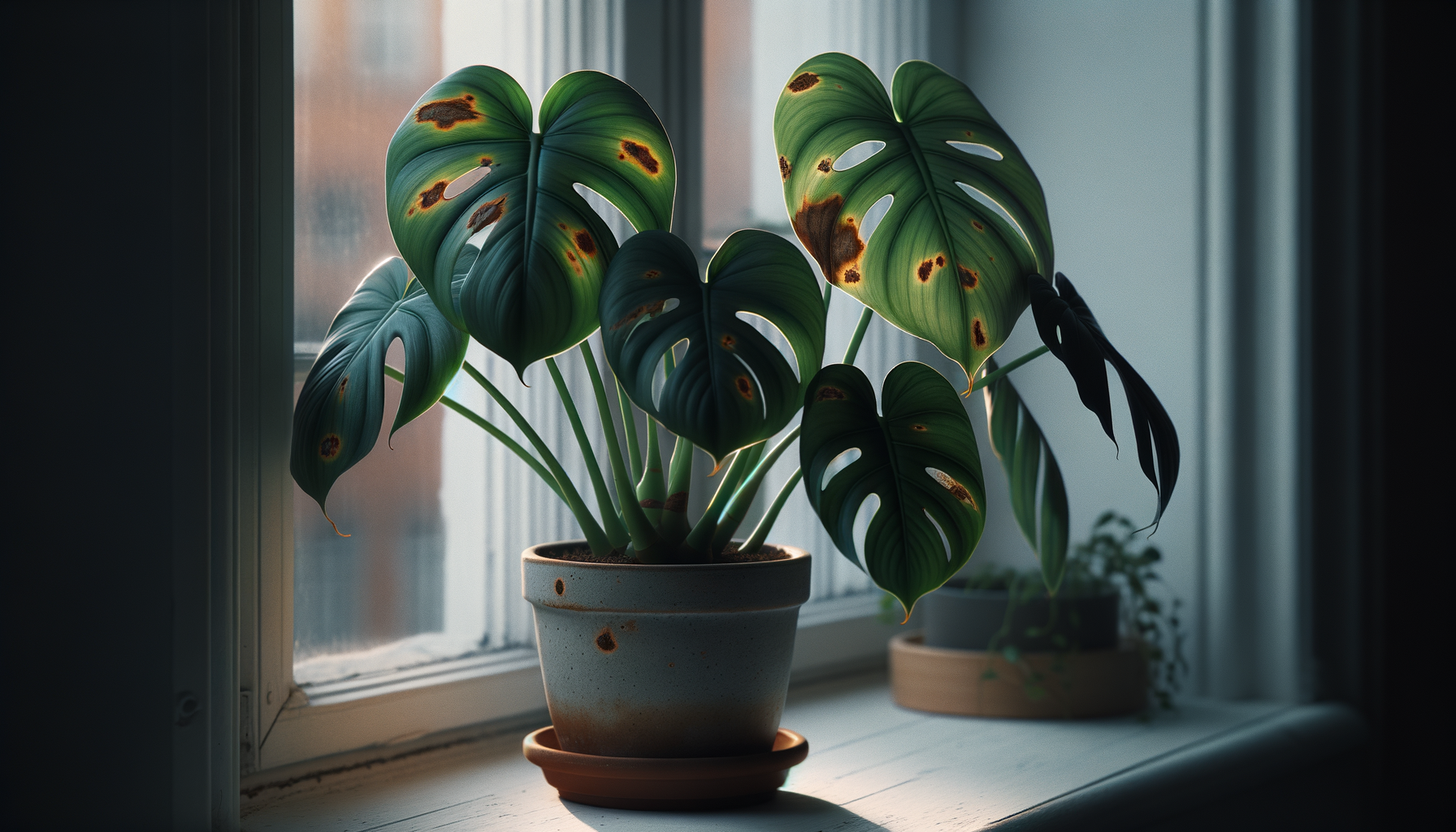
# Understanding Leaf Spot Diseases on Houseplants
Leaf spot houseplants are a common concern for indoor gardeners, leading to unsightly blemishes and sometimes even plant decline. If you’ve noticed brown, yellow, or black spots appearing on your favorite foliage, you’re not alone. Leaf spot diseases, caused by fungi, bacteria, or even environmental factors, can affect a wide range of popular houseplants. The good news? With some know-how and a practical approach, you can diagnose, treat, and prevent leaf spots, keeping your indoor jungle lush and healthy.
# Common Causes of Leaf Spot Houseplants
Before you jump into treatment, it’s important to understand what causes leaf spot diseases. The better you know your enemy, the more effective your response will be!
# Fungal Leaf Spots
The most frequent culprits behind leaf spot houseplants are fungi. Popular indoor plants like Monstera, Calathea, and Fiddle Leaf Fig are all susceptible. Fungal spores thrive in moist, warm environments—exactly the conditions found in many homes, especially during winter when humidity is high and air circulation is low.
Common fungal leaf spot diseases include:
- Cercospora leaf spot
- Anthracnose
- Alternaria leaf spot
These fungi infect plant tissue, causing small round or irregular spots that may be brown, tan, yellow, or even black. Over time, the spots can merge, resulting in large areas of dead tissue.
# Bacterial Leaf Spots
Bacterial leaf spots are less common but can be particularly aggressive. Bacteria enter through wounds or natural openings in leaves, often spread by overhead watering, splashing, or contaminated tools. Popular bacterial leaf spot pathogens include Xanthomonas and Pseudomonas species.
Signs of bacterial infection may include water-soaked, translucent spots surrounded by yellow halos. Leaves may become soft or mushy around the infection site.
# Environmental and Cultural Factors
Not all leaf spots are caused by pests or pathogens. Sometimes, irregular watering, excessive fertilizer, sunburn, or even exposure to cold drafts can mimic disease. These abiotic spots won’t spread, but they can weaken your plant if not addressed.
# How to Diagnose Leaf Spot Houseplants
Proper diagnosis is key to effective treatment. Here’s how to get to the root of the issue:
# Step 1: Inspect the Leaves Closely
- Look at the spots: Fungal spots are often round with a defined border, sometimes showing concentric rings or tiny fruiting bodies. Bacterial spots may be irregular, water-soaked, or surrounded by a yellow halo.
- Check the color: Fungal spots tend to be brown, tan, or black. Bacterial spots can be translucent or greasy.
- Observe the spread: Fungal and bacterial spots may spread rapidly in humid conditions. Environmental spots usually stay localized.
# Step 2: Note the Pattern of Affected Leaves
- Older vs. newer leaves: Some diseases target older leaves first, while others start on new growth.
- Location: Are spots mostly on the lower or upper leaves? Is the plant near a drafty window or under a vent?
# Step 3: Assess Growing Conditions
- Humidity: High humidity can encourage fungal and bacterial growth.
- Air circulation: Poor air movement can allow pathogens to thrive.
- Watering habits: Overhead watering can spread spores and bacteria.
# Step 4: Rule Out Pests and Abiotic Issues
- Check for insects: Sometimes, pests like thrips or spider mites can cause leaf damage that resembles disease.
- Consider environmental stress: Recent repotting, fertilizer burns, or cold injury can all cause spots.
# Effective Treatments for Leaf Spot Houseplants
Once you’ve identified the likely cause of leaf spot, it’s time to take action. Most cases can be managed at home with simple, practical steps.
# Immediate Steps to Take
- Isolate the affected plant. This helps prevent the spread of disease to your other houseplants.
- Remove diseased leaves. Prune away all leaves with visible spots using sterilized scissors or pruners. Dispose of these leaves in the trash, not the compost.
- Improve air circulation. Move your plant to an area with better airflow, or use a small fan to reduce stagnant air.
- Adjust watering habits. Always water at the soil level, not over the leaves. Allow the soil surface to dry out slightly between waterings.
# Treating Fungal Leaf Spot
- Fungicidal sprays: Apply a houseplant-safe fungicide, such as copper-based sprays or neem oil, following label instructions. Organic gardeners often prefer neem oil or potassium bicarbonate sprays.
- Repeat applications: Fungal spores can linger. Spray every 7-10 days until new growth appears healthy and spot-free.
# Treating Bacterial Leaf Spot
- Remove infected tissue: Bacterial diseases spread rapidly. Remove all affected leaves and any soft, mushy stems.
- Copper-based sprays: Some copper fungicides have limited effect on bacteria, but prevention through good hygiene is most effective.
- Reduce humidity: Lower humidity and avoid misting the leaves. Increase air circulation as much as possible.
# Addressing Environmental Spots
- Review care routine: Make sure your plant isn’t being over- or under-watered. Adjust fertilizer routines if needed.
- Relocate if necessary: Move sensitive plants away from drafty windows, radiators, or direct midday sun.
# When to Seek Expert Help
If the problem persists despite your efforts, or if you suspect a rare or particularly aggressive disease, consider consulting a local extension office, plant nursery, or sending a sample to a plant pathology lab for precise diagnosis.
# Preventing Leaf Spot Houseplants Problems
Prevention is always better than cure. By creating an environment that discourages pathogens, you can keep your houseplants happy and spot-free.
# Smart Watering Practices
- Water at the base: Always water at the soil level, not on the leaves, to reduce moisture on foliage.
- Avoid overwatering: Let the top inch or two of soil dry out between waterings for most houseplants. Use pots with drainage holes.
# Improve Air Circulation
- Space plants out: Avoid overcrowding. Give each plant enough room for air to circulate between its leaves.
- Use fans: In high-humidity rooms, a gentle fan can help prevent stagnant, damp air.
# Maintain Cleanliness
- Sanitize tools: Wipe scissors and pruners with rubbing alcohol before and after use.
- Remove debris: Promptly pick up fallen leaves or spent flowers from the pot and soil surface.
# Choose Resistant Varieties
- Research before buying: Some varieties of houseplants are more resistant to leaf spot diseases. Ask at your local nursery or check plant labels.
# Quarantine New Arrivals
- Isolate new plants: Keep new acquisitions separate for at least two weeks to monitor for signs of disease before introducing them to your collection.
# Monitor Regularly
- Inspect weekly: Check leaves top and bottom for spots, pests, or other issues. Early detection is key to stopping leaf spot houseplants in their tracks.
# Frequently Asked Questions About Leaf Spot Houseplants
# Can I Save a Plant With Severe Leaf Spot?
Yes, but it depends on the extent of the damage. If the majority of leaves are infected, prune away the worst-affected foliage and improve conditions for recovery. If the stem and roots are healthy, new growth can emerge spot-free, provided you address the underlying cause.
# Are Leaf Spot Diseases Harmful to Humans or Pets?
Most leaf spot pathogens only affect plants and are not harmful to people or pets. However, always wash your hands after handling diseased foliage, and keep pets from chewing on affected leaves to avoid stomach upset.
# Should I Use Chemical Fungicides Indoors?
Many home gardeners prefer organic or low-toxicity options for indoor use. Neem oil, potassium bicarbonate, and copper-based fungicides are generally safe when used as directed. Always ventilate the room and keep sprays away from children and pets.
# Can Leaf Spot Spread to All My Houseplants?
Some pathogens are highly host-specific, while others can infect a wide range of species. That’s why isolating affected plants and practicing good hygiene are so important.
# Conclusion: Winning the Battle Against Leaf Spot Houseplants
Dealing with leaf spot houseplants can be frustrating, but with the right knowledge and a proactive approach, you can keep your indoor garden healthy and beautiful. Remember to diagnose accurately by inspecting your plants closely, adjust your care routine to improve conditions, and use targeted treatments only when needed. Prevention is always your best strategy—smart watering, good air flow, and regular inspections will go a long way toward keeping leaf spot at bay.
By following these expert tips, you’ll empower yourself to diagnose, treat, and prevent leaf spot houseplants problems, ensuring your leafy companions thrive for years to come. Happy growing!