
Best Low Light Indoor Plants and How to Care for Them
Discover the top low light indoor plants perfect for every home and expert tips to help them thrive, even in spaces with minimal natural sunlight.
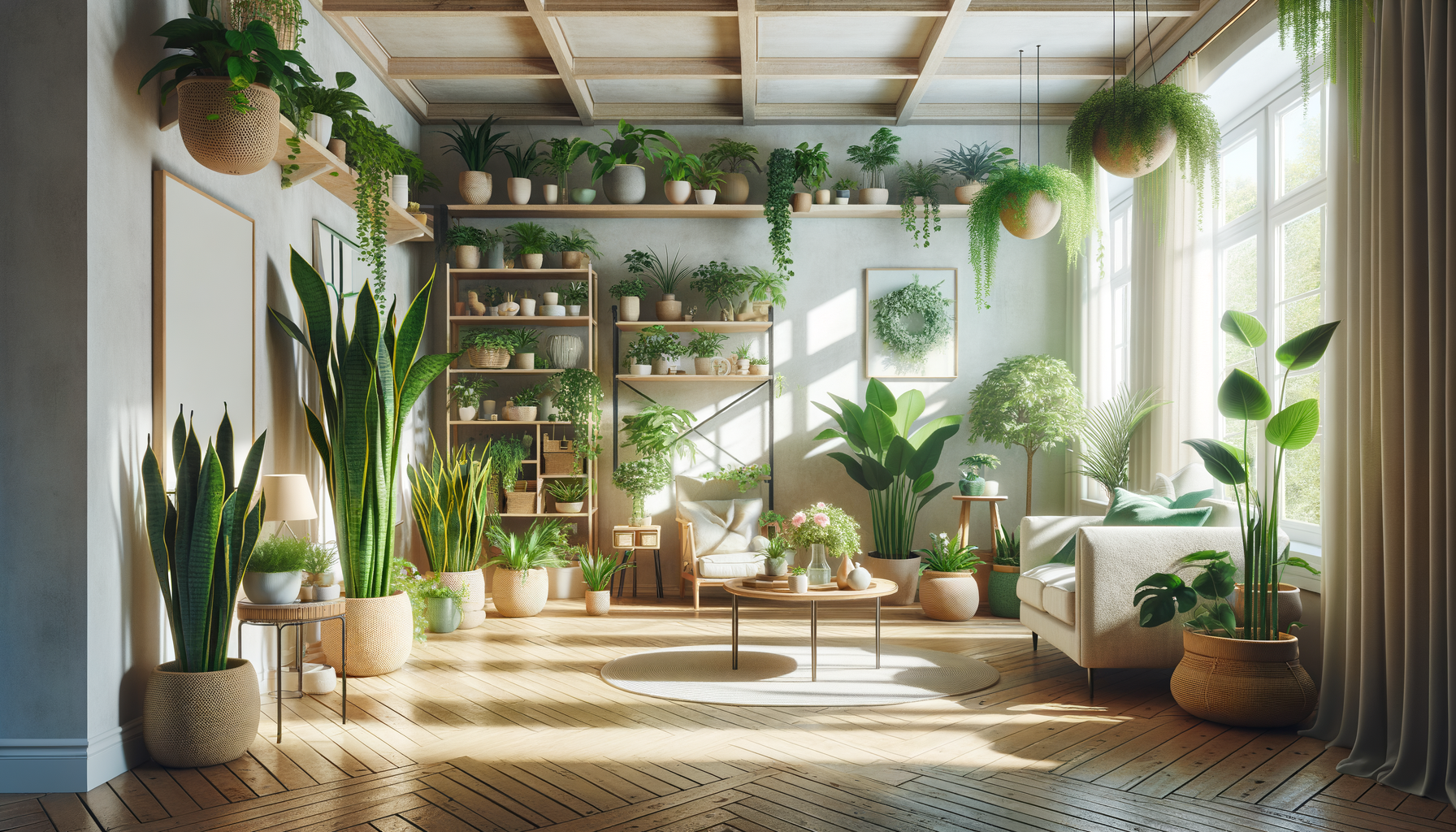
# Introduction: Embracing Low Light Indoor Plants
Not every room in your home is blessed with abundant sunlight, but that doesn’t mean you can’t enjoy lush greenery. Low light indoor plants are the unsung heroes of the plant world, thriving in spaces where other plants might struggle. Whether your apartment faces north, your office has tiny windows, or you want to green up a shady corner, there are plenty of beautiful and resilient options available. In this guide, we’ll explore the best indoor plants for low light conditions, how to care for them, and tips to keep your indoor oasis healthy and vibrant.
# Why Choose Low Light Indoor Plants?
Low light indoor plants are perfect for beginner gardeners and plant lovers with homes that lack bright, direct sunlight. These plants have evolved to thrive under forest canopies or in shaded understories, making them naturally suited for indoor life. Here’s why they’re a fantastic choice:
- Resilience: They adapt easily to less-than-ideal light conditions.
- Low Maintenance: Most require minimal care, making them great for busy lifestyles.
- Air Purifying: Many low light plants help filter indoor air, boosting freshness and well-being.
- Versatility: They add life to bathrooms, bedrooms, offices, and even hallways that might not get much sun.
# Top 10 Low Light Indoor Plants for Your Home
Selecting the right plant can make a world of difference. Here are ten standout low light indoor plants, each with its own charm and care requirements:
# 1. Snake Plant (Sansevieria trifasciata)
Also known as mother-in-law’s tongue, the snake plant is an iconic low light lover. Its striking upright leaves with variegated patterns make it a perfect statement piece.
Care Tips:
- Thrives in low to moderate light.
- Allow soil to dry out between waterings; overwatering can cause root rot.
- Tolerates neglect and infrequent watering.
# 2. Pothos (Epipremnum aureum)
Pothos is famous for its trailing vines and heart-shaped leaves, often variegated with cream or yellow. It's one of the easiest houseplants to grow.
Care Tips:
- Endures low light but also adapts to brighter spots.
- Water when the top inch of soil feels dry.
- Prune regularly to encourage bushier growth.
# 3. ZZ Plant (Zamioculcas zamiifolia)
The ZZ plant is nearly indestructible. Its glossy, waxy leaves and upright stems bring a modern look to any room.
Care Tips:
- Prefers low to medium light; avoid direct sun.
- Water sparingly—about once every 2-3 weeks.
- Wipe leaves occasionally to remove dust.
# 4. Peace Lily (Spathiphyllum spp.)
With its deep green leaves and elegant white blossoms, the peace lily is a classic choice for low light indoor plants.
Care Tips:
- Tolerates low light, but blooms better with indirect light.
- Keep soil moist but not soggy; watch for drooping as a sign to water.
- Mist leaves to increase humidity.
# 5. Cast Iron Plant (Aspidistra elatior)
True to its name, the cast iron plant is almost indestructible. Its broad, dark green leaves are perfect for the lowest light spaces.
Care Tips:
- Thrives in deep shade.
- Water when the soil is dry to the touch.
- Fertilize sparingly in spring and summer.
# 6. Chinese Evergreen (Aglaonema commutatum)
Chinese evergreen offers beautiful patterned foliage and can adapt to almost any indoor setting.
Care Tips:
- Prefers low to medium light; avoid direct sun.
- Allow the top two inches of soil to dry before watering.
- Wipe leaves with a damp cloth to keep them shiny.
# 7. Heartleaf Philodendron (Philodendron hederaceum)
This trailing plant is beloved for its heart-shaped leaves and forgiving nature.
Care Tips:
- Does well in low to medium light.
- Water when the top inch of soil is dry.
- Pinch back stems to encourage fullness.
# 8. Dracaena (Dracaena deremensis, D. marginata, and others)
Dracaenas come in many shapes and sizes, all featuring sword-like leaves. They’re adaptable, reliable, and excellent for offices.
Care Tips:
- Tolerates low light, but brighter indirect light helps maintain variegation.
- Water when the top layer of soil is dry.
- Avoid fluoride-heavy water, which can cause leaf tips to brown.
# 9. Parlor Palm (Chamaedorea elegans)
The parlor palm brings a touch of the tropics to dim indoor spaces with its feathery fronds and compact size.
Care Tips:
- Thrives in low light and even fluorescent lighting.
- Keep soil consistently but lightly moist.
- Mist occasionally to boost humidity.
# 10. Ferns (Boston Fern, Maidenhair Fern, and others)
Certain ferns can adapt to lower light, especially if humidity is high. Their lush, arching fronds add softness and movement.
Care Tips:
- Place in low to medium indirect light.
- Keep soil moist, not soggy; ferns dislike drying out.
- Mist regularly or use a pebble tray to maintain humidity.
# Essential Care Tips for Low Light Indoor Plants
Caring for low light indoor plants can be a breeze if you keep a few key principles in mind. Here’s what every home gardener should know:
# Understanding Light Levels Indoors
It’s important to match the right plant to your available light. “Low light” indoors means spaces that receive no direct sunlight and might only get a few hours of indirect or filtered light each day. North-facing rooms, inner rooms, or areas far from windows typically fit this description.
Tips to maximize available light:
- Place plants closer to windows, even if the light is indirect.
- Use mirrors or light-colored walls to reflect and amplify natural light.
- Consider supplementing with grow lights during the darkest months or in windowless spaces.
# The Golden Rules of Watering
Overwatering is the number one reason most low light indoor plants struggle. With less sunlight, plants use water more slowly.
Smart watering tips:
- Check soil moisture before watering by sticking your finger an inch or two into the soil.
- Let the soil dry out as recommended for each species (see care tips above).
- Use pots with drainage holes to prevent waterlogging.
# Humidity and Temperature
Most low light indoor plants hail from tropical or subtropical regions and appreciate higher humidity.
- Group plants together to create a microclimate.
- Mist leaves or use pebble trays filled with water to boost humidity.
- Keep plants away from cold drafts, radiators, or air conditioning units.
# Feeding and Fertilizing
Because growth slows in low light, these plants need less fertilizer than sun-loving varieties.
- Feed with a diluted, balanced houseplant fertilizer every 2-3 months during the growing season (spring/summer).
- Skip fertilizing in winter when most plants are dormant.
# Decorating with Low Light Indoor Plants
One of the best things about low light indoor plants is their versatility. Here are some creative ways to use them in your home or office:
# Brighten Dark Corners
A tall snake plant or ZZ plant can instantly bring life to that neglected corner. Try grouping several plants of varying heights for a lush, layered look.
# Add Freshness to Bathrooms
Bathrooms are often low light but high in humidity—ideal conditions for ferns, peace lilies, or cast iron plants. Place them on a shelf or windowsill for a spa-like feel.
# Create a Living Wall
Mount trailing plants like pothos or heartleaf philodendron in wall planters for a dramatic vertical garden effect, even in dim hallways or stairwells.
# Desktop Greenery
Small parlor palms, Chinese evergreens, or mini dracaenas make perfect companions for desks and workspaces, boosting mood and productivity without needing much light.
# Troubleshooting Common Issues with Low Light Indoor Plants
Even the hardiest plants can run into trouble. Here’s how to address the most common challenges:
# Yellowing Leaves
Often caused by overwatering or poor drainage. Let the soil dry more between waterings and ensure pots drain well.
# Leggy Growth
If your plant is stretching and getting spindly, it may be craving more light. Move it closer to a window or supplement with a grow light.
# Faded or Droopy Leaves
This can be a sign of inconsistent watering, low humidity, or sudden temperature changes. Adjust your care routine as needed and keep plants in stable environments.
# Pests
Low light doesn’t mean pest-free. Keep an eye out for spider mites, mealybugs, or fungus gnats. Wipe leaves regularly and treat any infestations promptly with insecticidal soap or neem oil.
# Conclusion: Low Light Indoor Plants for Every Home
You don’t need a sun-drenched apartment or greenhouse to enjoy beautiful, thriving houseplants. Low light indoor plants offer lush greenery, easy care, and a natural boost to any space—even those with minimal sunlight. By choosing the right varieties and following practical care tips, you’ll enjoy a flourishing indoor garden all year round. Whether you’re a seasoned plant parent or just starting your indoor plant journey, these resilient beauties are sure to brighten your home and your mood. Happy growing!