
Choosing the Right Pet Friendly Indoor Plants for Your Home
Looking to brighten up your space without risking your pets’ health? Discover the best pet friendly indoor plants and expert tips for a safe, green home.
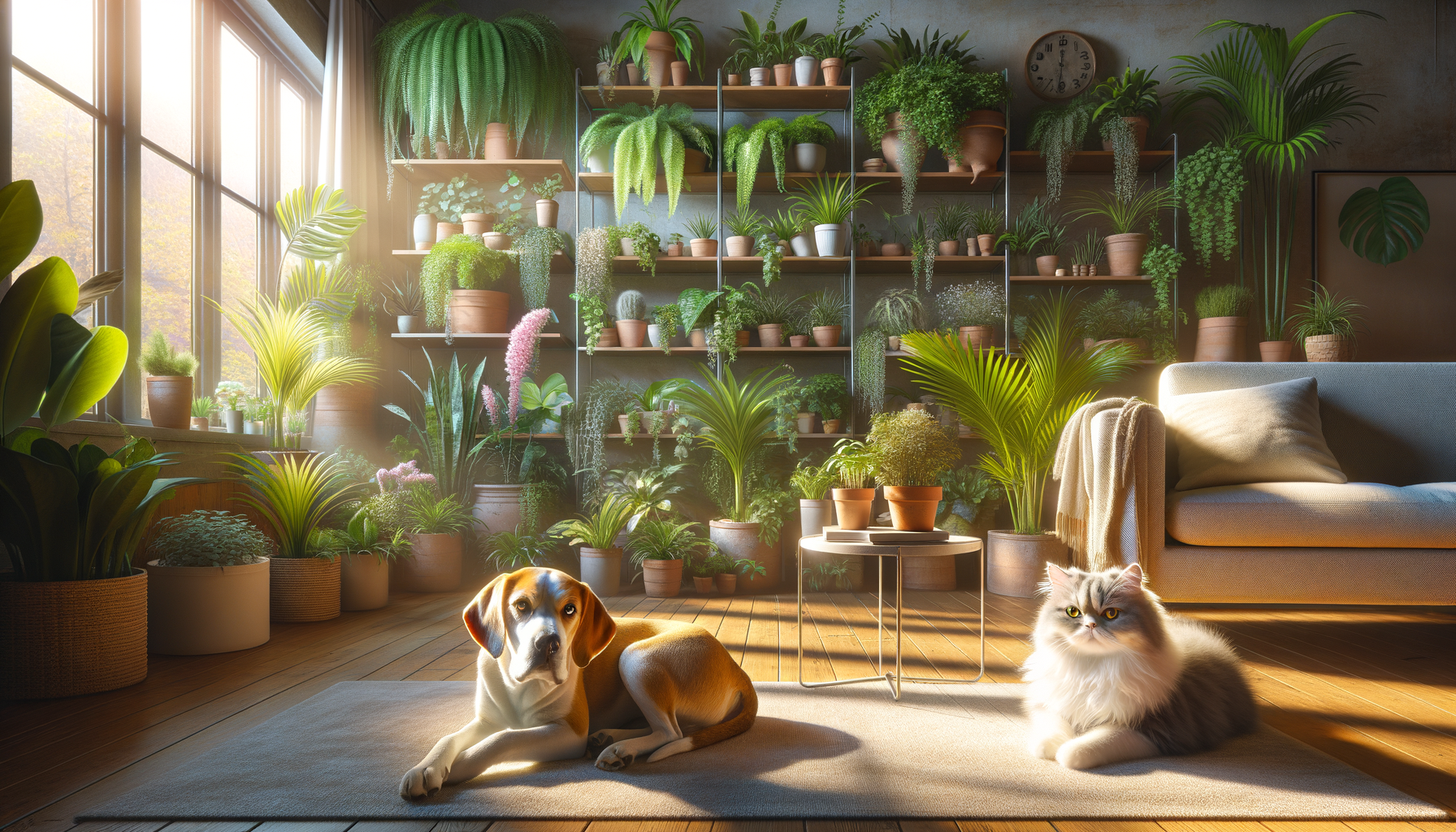
# Pet Friendly Indoor Plants: The Perfect Choice for Safe, Green Homes
Bringing greenery indoors can add life, color, and fresh air to your home. But for pet owners, choosing the right indoor plants goes beyond aesthetics. Many common houseplants can be toxic to cats and dogs, making it essential to select varieties that are both beautiful and safe for your furry friends. In this guide, we'll explore how to choose pet friendly indoor plants and create a thriving, pet-safe indoor garden.
# Why Pet Friendly Indoor Plants Matter
For many of us, pets are family. They roam our homes, nap in sunny corners, and sometimes nibble on leaves out of curiosity. Unfortunately, some popular indoor plants—like pothos, peace lilies, and sago palms—can pose serious health risks to pets if ingested. Symptoms can range from mild irritation to severe poisoning.
Choosing pet friendly indoor plants means you can enjoy greenery without worry. These plants are non-toxic to cats and dogs, letting you decorate confidently and safely. Plus, they often offer the same air-purifying and mood-boosting benefits as other houseplants.
# Top Pet Friendly Indoor Plants for Every Home
Not sure where to start? Here are some of the most beloved pet friendly indoor plants that are easy to care for and safe for your furry companions:
# Spider Plant (Chlorophytum comosum)
Spider plants are classic houseplants known for their arching leaves and resilience. They're non-toxic to both cats and dogs and thrive in a range of light conditions. Cats are often attracted to their grassy foliage, but you won't need to worry if your feline friend takes a nibble.
Care Tips:
- Bright, indirect light is ideal.
- Let the soil dry slightly between waterings.
- Propagate easily from "pups" that grow on long stems.
# Boston Fern (Nephrolepis exaltata)
With feathery fronds and a lush appearance, Boston ferns bring a touch of the tropics to your living space. They’re safe for pets and help humidify indoor air—a bonus during dry winter months.
Care Tips:
- Prefers indirect light and high humidity.
- Keep soil consistently moist but not soggy.
- Mist regularly to prevent frond browning.
# Parlor Palm (Chamaedorea elegans)
The parlor palm is a low-maintenance favorite that can thrive in lower light. Its graceful, arching leaves add elegance to any room, and it's one of the best pet friendly indoor plants for beginner gardeners.
Care Tips:
- Tolerates low to medium light.
- Water when the top inch of soil feels dry.
- Avoid overwatering to prevent root rot.
# Areca Palm (Dypsis lutescens)
Areca palms, also known as butterfly palms, are non-toxic to pets and make a bold statement with their bushy, light green fronds. They’re great for adding height and drama to your indoor plant collection.
Care Tips:
- Likes bright, indirect light.
- Water thoroughly, allowing soil to dry a bit between waterings.
# Calathea (Calathea spp.)
Calatheas are prized for their stunning patterned leaves and pet-safe reputation. There are many varieties, each with unique markings and colors. Their leaves even move in response to light changes—a fun detail!
Care Tips:
- Prefers moderate to bright, indirect light.
- Keep soil evenly moist and provide high humidity.
# Friendship Plant (Pilea involucrata)
The friendship plant is compact, easy to care for, and safe for pets. Its quilted, velvety leaves add texture and charm to tabletops and shelves.
Care Tips:
- Thrives in medium light.
- Allow the top layer of soil to dry before watering.
# How to Choose Pet Friendly Indoor Plants
Selecting the right plants for your home involves more than just checking a toxicity list. Here are some practical steps to make sure your indoor garden is both lush and safe:
# Research Before You Buy
Always look up a plant’s scientific name and check reputable sources like the ASPCA’s toxic and non-toxic plant database. Some common names overlap, so the scientific name is key for proper identification.
# Consider Your Pet’s Behavior
Some pets rarely touch houseplants, while others love to chew or dig in the soil. Choose sturdy plants or those less tempting to curious mouths if your pet is particularly inquisitive. Consider placing more delicate specimens out of reach or in hanging baskets.
# Evaluate Your Home’s Light and Humidity
Pet friendly indoor plants come in all shapes and sizes, with different light and moisture needs. Assess your space: do you have sunny windows, shady corners, or areas with bright indirect light? Choose plants that match these conditions for the best results.
# Think About Maintenance
Some pet friendly indoor plants require frequent watering or misting, while others are more hands-off. Be realistic about the time you can devote to plant care and select accordingly.
# Styling Your Space with Pet Friendly Indoor Plants
Creating a harmonious home means blending style with safety. Here’s how to showcase your plants while keeping pets in mind:
# Use Elevated Planters and Shelves
Place delicate or trailing plants on shelves or in hanging baskets to keep them out of reach. This not only protects your plants but can deter playful pets from turning them into toys.
# Create a Green Nook for Pets
Set up a dedicated plant area in a less-trafficked part of your home. Include a cozy bed or perch for your pets nearby, so they can enjoy the greenery without getting too close to the leaves.
# Choose Decorative Pots with Drainage
Select sturdy, tip-resistant pots to prevent spills. Look for containers with drainage holes to keep roots healthy and avoid waterlogged soil.
# Combine Textures and Heights
Mix upright ferns with trailing spider plants and bushy palms for visual interest. Varying plant heights creates depth, while different leaf shapes and colors add personality.
# Common Indoor Plants to Avoid with Pets
While it’s fun to explore new plant varieties, it’s crucial to know which popular houseplants are unsafe for pets. Here are a few to keep off your shopping list:
- Peace Lily (Spathiphyllum spp.): Toxic to cats and dogs, causing oral irritation and vomiting.
- Pothos (Epipremnum aureum): Can lead to drooling, vomiting, and difficulty swallowing.
- Snake Plant (Sansevieria trifasciata): Mildly toxic, causing nausea and gastrointestinal upset.
- Sago Palm (Cycas revoluta): Extremely toxic, potentially fatal if ingested.
- Philodendron spp.: Contains insoluble calcium oxalates that irritate the mouth and digestive tract.
Always double-check plant labels and consult reliable sources if you’re unsure about a new addition.
# Tips for Keeping Pets and Plants Happy Together
Even with pet friendly indoor plants, it’s wise to take precautions:
- Train your pets not to chew on leaves or dig in pots. Use positive reinforcement and distraction with toys.
- Cover soil surfaces with decorative stones or moss to deter digging.
- Rotate plants to new spots if your pet becomes interested in a particular one.
- Monitor for signs of plant nibbling and consult your vet if you suspect your pet has ingested any plant material.
# Expanding Your Pet Friendly Indoor Plant Collection
Once you’ve mastered the basics, you can experiment with more varieties. Here are a few lesser-known but beautiful pet safe options:
- Baby Rubber Plant (Peperomia obtusifolia): Glossy leaves, compact growth, and easy care.
- African Violet (Saintpaulia): Soft, fuzzy leaves and bright flowers—perfect for window sills.
- Polka Dot Plant (Hypoestes phyllostachya): Colorful spotted foliage adds a cheerful touch.
- Haworthia: A small, non-toxic succulent ideal for sunny desks and shelves.
Grow your collection gradually, and enjoy the process of discovering new favorites.
# Conclusion: Creating a Safe, Lush Retreat with Pet Friendly Indoor Plants
Choosing the right pet friendly indoor plants transforms your home into a green sanctuary where both you and your pets can thrive. By selecting non-toxic species, considering your pets’ habits, and styling your space thoughtfully, you can enjoy the beauty of houseplants without worry. Remember to research new plants, keep curious paws in mind, and celebrate the peace of mind that comes from a safe, vibrant indoor garden. With a little planning, your home can be both lush and pet-friendly—a true retreat for all members of the family.