
Seasonal Houseplant Care: Essential Winter Prep Tips
Discover expert seasonal houseplant care tips to prepare your indoor garden for winter. Learn how to keep your plants healthy and thriving all season long.
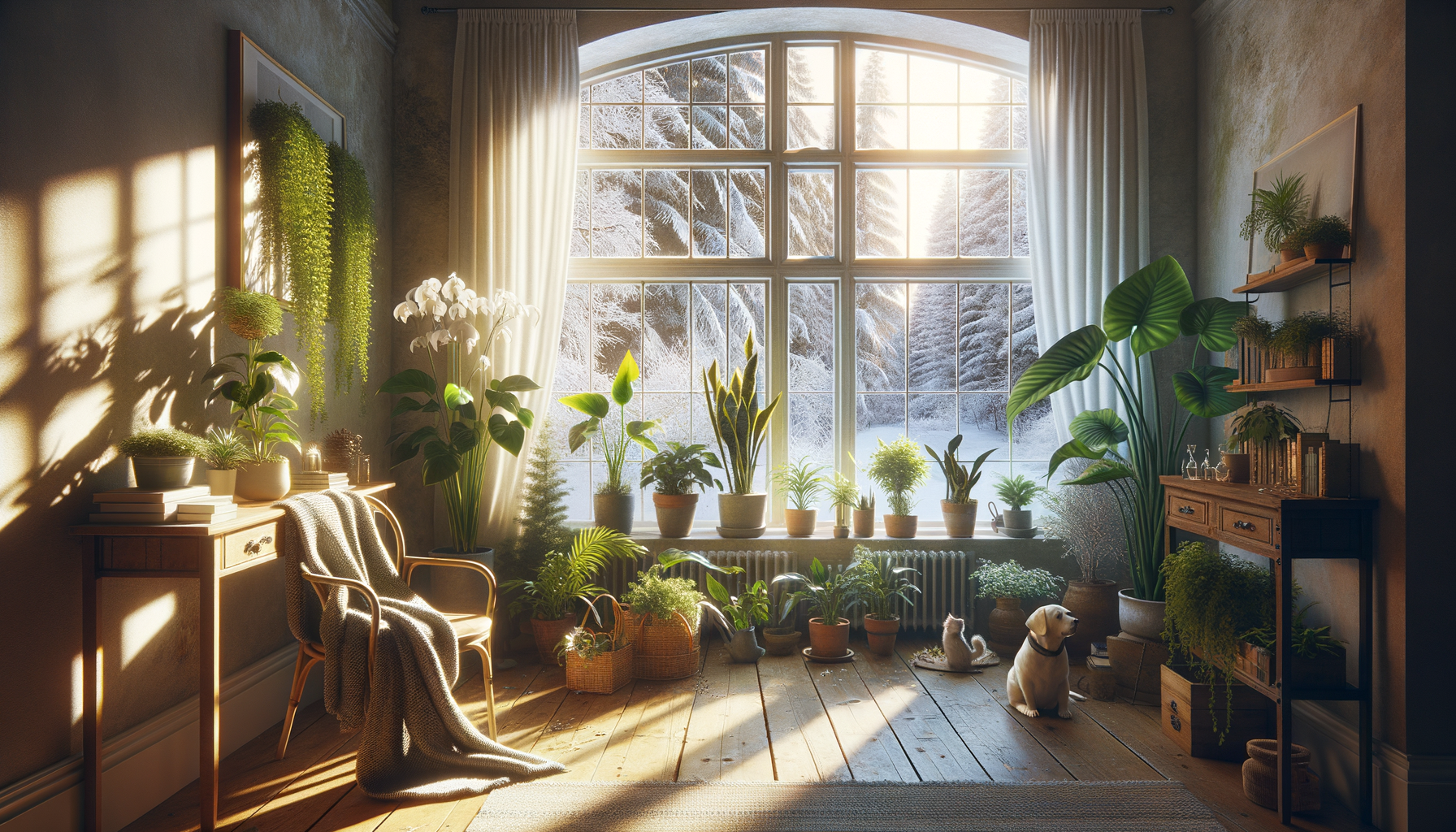
# Seasonal Houseplant Care: Preparing Your Plants for Winter
As the days grow shorter and temperatures drop, your indoor garden faces new challenges. Seasonal houseplant care is essential for keeping your leafy companions healthy and vibrant through winter’s darker, cooler months. Whether you’re a new plant parent or a seasoned indoor gardener, understanding how to adapt your care routine to the changing season will make all the difference in your plants’ winter survival and spring revival.
# Why Seasonal Houseplant Care Matters in Winter
When winter arrives, the environment inside our homes changes just as much as the world outside. Shorter days mean less light, central heating dries out the air, and fluctuating temperatures can stress even the hardiest houseplants. Seasonal houseplant care isn’t just about surviving winter—it’s about helping your plants adapt, thrive, and be ready to burst back into growth when spring returns.
# The Main Winter Challenges for Indoor Plants
- Reduced sunlight: Fewer daylight hours and weaker sunlight can slow down photosynthesis, leading to leggy growth or leaf drop.
- Lower humidity: Indoor heating systems can drop relative humidity to desert-like levels, causing crispy leaves and increased pest susceptibility.
- Temperature fluctuations: Drafts from windows or sudden heat from radiators can shock plants.
- Overwatering risks: Slower growth means plants use less water, making root rot a common winter problem.
Understanding these challenges is the first step in effective seasonal houseplant care. Now let’s dive into practical ways to prepare your plants for winter.
# Adjusting Light and Placement for Winter Success
Light is perhaps the most critical factor for houseplants during winter. Even sun-loving species can struggle indoors as days get shorter and sunlight intensity drops.
# Maximizing Available Light
- Move plants closer to windows: South- or west-facing windows offer the brightest light. Gently shift your plants toward these spots, but avoid direct contact with cold glass, which can chill foliage.
- Clean your windows and leaves: Dust and grime can block precious sunlight. Wipe both window panes and plant leaves with a damp cloth to maximize light absorption.
- Rotate your plants: Turn your pots every week or two so all sides receive even light, preventing lopsided growth.
# Supplementing with Grow Lights
If your space is especially dim, consider using full-spectrum LED grow lights to supplement natural light. Position lights 6-12 inches above the plant canopy and run them for 10-12 hours daily. This helps prevent legginess and keeps foliage vibrant during the darkest months.
# Watering and Humidity: Finding the Winter Balance
Seasonal houseplant care means adjusting your watering habits—what works in summer may spell disaster in winter!
# Watering Wisely in Winter
- Check soil before watering: Only water when the top inch or two of soil feels dry. Roots absorb less water in winter, so overwatering can quickly lead to rot.
- Water thoroughly but less often: When you do water, let it soak through until water drains from the bottom of the pot. Discard excess to avoid soggy roots.
- Use room-temperature water: Cold tap water can shock roots. Let water sit out to come to room temperature before using.
# Boosting Humidity for Happy Plants
- Group plants together: Clustering plants creates a microclimate with higher humidity.
- Use pebble trays: Place a water-filled tray with pebbles beneath your pots—just ensure the pot sits above the water line. As water evaporates, it gently humidifies the air around your plants.
- Consider a humidifier: If your home is very dry (below 40% humidity), a small room humidifier can benefit both plants and people.
- Mist selectively: Some plants, like ferns and calatheas, appreciate occasional misting, but avoid misting succulents or hairy-leaved plants, which can develop fungal problems.
# Temperature and Draft Protection: Creating a Stable Environment
Sudden temperature swings and chilly drafts can stress your houseplants in winter. Stable conditions are key for seasonal houseplant care.
# Tips for Keeping Plants Comfortable
- Keep away from radiators and heaters: Hot, dry air can scorch leaves and dry out soil too quickly. Maintain a buffer zone of several feet.
- Shield from cold drafts: Avoid placing plants on windowsills where cold air seeps in. If you must, use an insulating curtain or move plants a bit further from the glass at night.
- Maintain consistent temperatures: Most houseplants are happiest between 60-75°F (15-24°C). Avoid drastic nighttime drops.
# Feeding, Pruning, and General Maintenance for Winter
With less light and slower growth, your plants’ needs change during the cooler months. Careful maintenance keeps them healthy and ready for spring’s burst of growth.
# Rethink Fertilizing
- Reduce or pause feeding: Most houseplants go semi-dormant in winter and don’t need regular fertilizer. Resume gentle feeding as new growth appears in late winter or early spring.
- Watch for exceptions: Winter bloomers like Christmas cactus or African violets may appreciate a diluted feed while flowering.
# Pruning and Cleaning
- Remove yellowing or dead leaves: This keeps your plants tidy and channels energy into healthy growth.
- Pinch back leggy stems: If growth is spindly from low light, pinch stems just above a node to encourage bushier growth.
- Wipe leaves regularly: Dust can block light and attract pests. Use a damp, soft cloth or a shower of lukewarm water for sturdy-leaved plants (avoid for fuzzy or delicate leaves).
# Pest and Disease Prevention During Winter
Pests and diseases can sneak up on even the most attentive plant parents, especially when plants are stressed by indoor conditions.
# Common Winter Pests and How to Spot Them
- Spider mites: Prefer dry, warm environments; look for fine webbing and tiny moving dots under leaves.
- Mealybugs: Cottony white clusters at leaf joints.
- Scale insects: Hard brown bumps on stems and leaves.
- Fungus gnats: Tiny black flies hovering near soil—often a sign of overwatering.
# Preventive and Responsive Care
- Inspect regularly: Check both sides of leaves and stems every week for early signs of trouble.
- Isolate new or affected plants: Prevent pests from spreading.
- Treat promptly: Use a gentle insecticidal soap, neem oil, or wipe pests away with a cotton swab dipped in rubbing alcohol.
- Adjust watering and humidity: Most pests thrive in dry air or consistently moist soil—find the right balance for your plant collection.
# Repotting and Propagation: Should You Wait Until Spring?
Winter is generally not the best time for repotting or propagating, but there are exceptions.
- Hold off on major repotting: Most houseplants prefer to be repotted in spring, when growth resumes.
- Emergency repotting: If you discover root rot or severe pest infestations, act promptly regardless of season.
- Propagation: While some cuttings may root in winter, success rates are higher as days lengthen. If you do propagate, use a heat mat or a bright spot to encourage rooting.
# Seasonal Houseplant Care Checklist for Winter
To keep your indoor garden thriving all winter, use this handy checklist:
- Move plants to maximize available light.
- Clean windows and plant leaves.
- Adjust watering—less frequent, only when soil is dry.
- Group plants or use pebble trays for humidity.
- Keep plants away from heaters, radiators, and cold drafts.
- Pause or reduce fertilizing.
- Remove dead or yellowing foliage.
- Inspect regularly for pests and treat promptly.
- Avoid unnecessary repotting or propagation.
Check in with your plants weekly—small adjustments make a big difference!
# Conclusion: Seasonal Houseplant Care for a Flourishing Winter
Winter doesn’t have to be a dull or risky time for your indoor garden. By embracing seasonal houseplant care, you can create a stable, nurturing environment that supports your plants’ health and beauty until spring returns. Remember to adjust light, water, humidity, and temperature to match the season’s unique demands. With a little extra attention, your houseplants will not only survive winter—they’ll greet the new season with renewed vigor and lush growth. Happy gardening and stay cozy!