
The Ultimate Guide to Types of Soil for House Plants: Choosing the Right Mix
Not all dirt is created equal. Understanding the different types of soil for house plants is the secret to a thriving indoor garden. This guide breaks down ingredients, mixes, and expert tips.
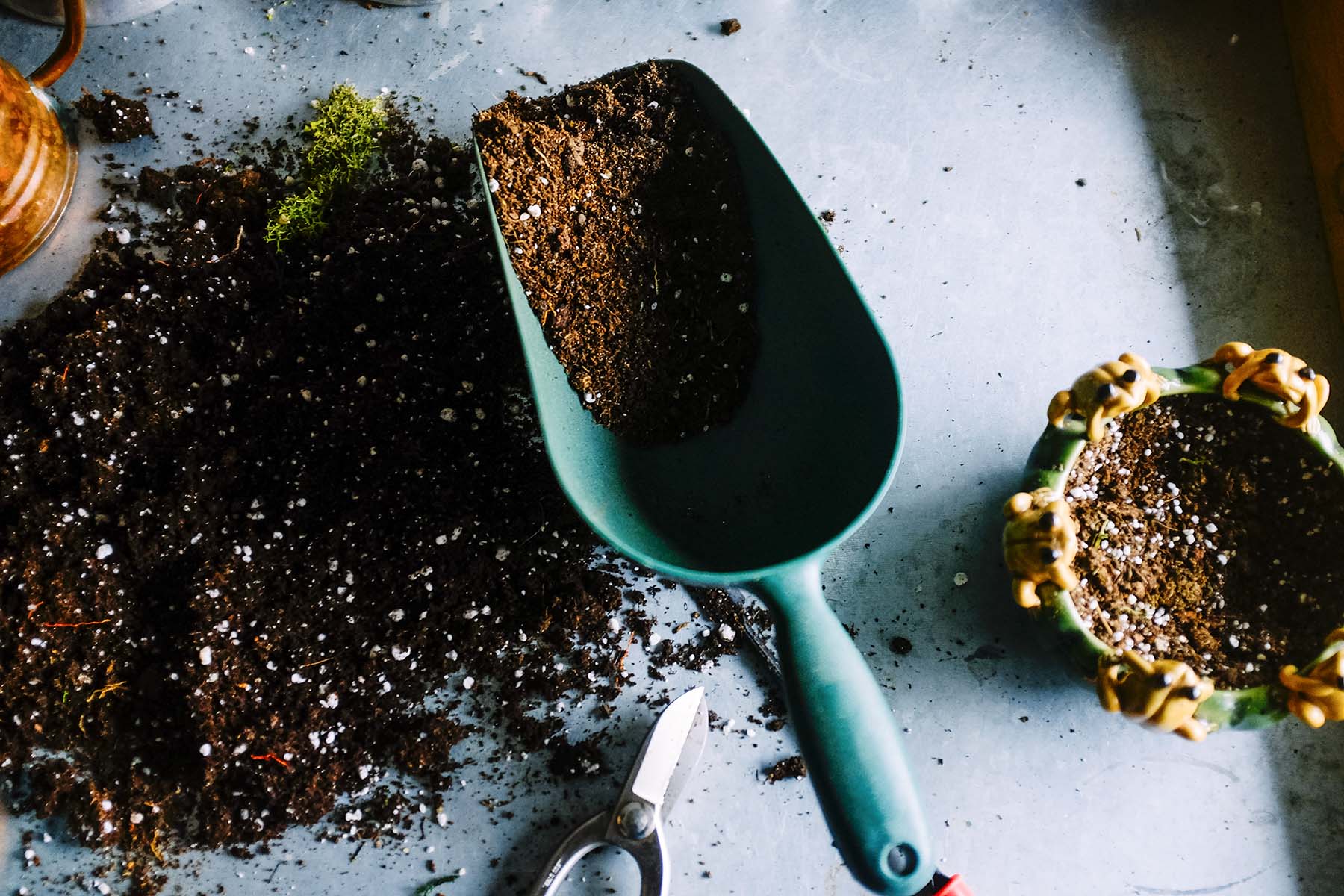
When you bring a new green friend into your home, the first thing you probably think about is where it will look best. However, the most critical factor for its survival isn't the decorative pot—it's what’s inside it. Understanding the different types of soil for house plants is the foundation of successful indoor gardening.
In this comprehensive guide, we will dive deep into why soil matters, the specific components of a high-quality potting mix, and how to choose the perfect substrate for every plant in your collection.
1. Why Soil Quality Matters for Indoor Plants
Unlike plants growing in the ground, indoor plants live in a confined environment. Their roots cannot stretch out to find nutrients or escape waterlogged earth. This makes the "soil" you choose their entire universe.
Actually, most "houseplant soil" isn't soil at all—it's a soilless medium. Real garden soil is too heavy, lacks aeration, and often carries pests or pathogens that can thrive in a warm home environment.
2. Key Components Found in Houseplant Soil
Before we discuss the specific types of soil for house plants, let’s look at the "ingredients" often found in professional mixes. Each serves a unique purpose:
Peat Moss and Coco Coir Peat Moss: Excellent for moisture retention but can be acidic.
Coco Coir: A sustainable alternative to peat. It holds water well and has a neutral pH.
Aeration Elements: Perlite and Pumice Perlite: Those little white "Styrofoam-looking" bits. They prevent soil compaction and improve drainage.
Pumice: Heavier than perlite, it provides excellent aeration and doesn't float to the top when watering.
Nutrient Additives: Compost and Worm Castings These provide the organic matter and slow-release nutrients that help plants grow without immediate chemical fertilizers.
3. The Major Types of Soil for House Plants
Choosing the right mix depends on the plant's natural habitat. Here are the primary categories:
A. All-Purpose Potting Mix
This is the "standard" mix you find at most garden centers. It is designed for general foliage plants like Pothos, Philodendrons, and Spider Plants. It typically balances water retention with a moderate amount of drainage.
B. Succulent and Cactus Mix
Cacti and succulents are prone to root rot. Therefore, their soil must be incredibly fast-draining. These mixes contain a high percentage of sand, perlite, or poultry grit to ensure water moves through the pot quickly.
C. Orchid Bark and Epiphyte Mixes
Orchids and many Anthuriums are epiphytes, meaning they grow on trees in the wild, not in the ground. They need "soil" that is mostly bark, charcoal, and moss to allow maximum airflow to the roots.
D. Aroid Mix (The "Chunky" Mix)
Popular among collectors of Monstera and large Philodendrons, this mix is a DIY favorite. It combines potting soil with orchid bark and perlite to mimic the forest floor.
4. How to Match Soil Types to Specific Plants
Choosing the right substrate is about mimicking a plant's ancestral home. Here is how to match the most common house plants with their ideal soil types:
Tropical Foliage and Aroids
Plants like Monstera, Philodendron, and ZZ plants thrive in what is often called a "Chunky Aroid Mix." Because these plants often grow as epiphytes (climbing trees) in the wild, they hate having their roots smothered. Use a base of high-quality potting soil but heavily amend it with orchid bark and perlite. This creates large air pockets, allowing the roots to breathe while maintaining enough moisture to keep the plant hydrated.
Desert Dwellers: Cacti and Succulents
For Cacti, Echeveria, and Aloe Vera, the standard potting mix is often a death sentence because it retains too much water. These plants need a "gritty" mix. You should look for a soil that is at least 50% to 70% inorganic material, such as coarse sand, pumice, or fine gravel. This ensures that water passes through the pot almost immediately, preventing the dreaded root rot.
Moisture-Lovers: Ferns and Calatheas
Boston Ferns and Calatheas are notoriously picky; they want to be damp but never soggy. For these, a peat-based or coco coir-based mix is best. These materials act like a sponge, holding onto water molecules and releasing them slowly. Adding a small amount of vermiculite can help maintain that consistent humidity these jungle plants crave.
Acid-Loving and Specialized Plants
Some plants, like African Violets, prefer a slightly more acidic environment. Specialized mixes for these plants often contain a higher concentration of sphagnum peat moss. On the extreme end, Carnivorous plants (like Venus Flytraps) require a mix that is completely devoid of nutrients, usually a 50/50 blend of pure peat moss and perlite, as regular potting soil will actually "burn" their sensitive filtration systems
5. Signs You Are Using the Wrong Soil
Even if you think you’ve picked the right types of soil for house plants, your plant will tell you if it's unhappy. Look for these signs:
Yellowing Leaves: Often a sign of "wet feet" caused by soil that holds too much water.
Water Running Straight Through: If the soil has become hydrophobic (common with old peat), it won't absorb water at all.
Slow Growth: If the soil is compacted, roots can't breathe or expand.
Fungus Gnats: These tiny flies love consistently damp, organic-heavy soil.
6. Enhancing Your Soil: The Role of pH and Nutrients
The pH level of your soil determines how well a plant can "eat." Most houseplants prefer a slightly acidic to neutral pH (between 6.0 and 7.0).
To lower pH: Add more peat moss or sulfur.
To raise pH: Add a small amount of garden lime.
7. Sterilization: Is Garden Soil Safe?
A common mistake beginners make is digging up dirt from the backyard. Do not do this. Garden soil contains:
Weed seeds that will compete for nutrients.
Microscopic pests like nematodes.
Fungal spores that lead to "damping off" in young plants.
If you must use natural soil, it needs to be baked in an oven at 180°F to kill pathogens, but even then, it lacks the structure needed for pots.
8. DIY vs. Store-Bought Potting Mixes
While store-bought mixes are convenient, many enthusiasts prefer making their own to control the types of soil for house plants they provide.
A Simple "Master Mix" Recipe:
2 parts Coco Coir or Peat Moss
1 part Perlite or Pumice
1 part Pine Bark Fines
A handful of worm castings
9. Frequently Asked Questions (FAQ)
Can I reuse old potting soil?
It's risky. Old soil loses its structure and nutrients. If the previous plant died of disease, the soil is definitely contaminated. If you must reuse it, mix it 50/50 with fresh soil and add compost.
How often should I replace the soil?
Most houseplants benefit from fresh soil every 12 to 24 months. Over time, salts from tap water build up in the soil, and the organic matter breaks down.
Why is there mold on top of my soil?
White fuzzy mold is usually harmless "saprophytic fungus." It indicates the soil is staying damp for too long or there isn't enough airflow. Scrap it off and reduce watering frequency.
10. Conclusion: The Foundation of Growth
Choosing the right types of soil for house plants is the single best investment you can make for your indoor garden. By matching the drainage, acidity, and nutrient levels to your plant's specific needs, you are setting the stage for years of vibrant, healthy growth.
Remember, the goal is to mimic the plant's natural habitat. Whether it's the rocky slopes of a desert or the damp floor of a rainforest, the right soil makes all the difference.