
How to Properly Water Different Types of Houseplants
Discover expert tips on watering houseplants of all kinds. Learn methods for succulents, tropicals, orchids, and more to keep your plants thriving.
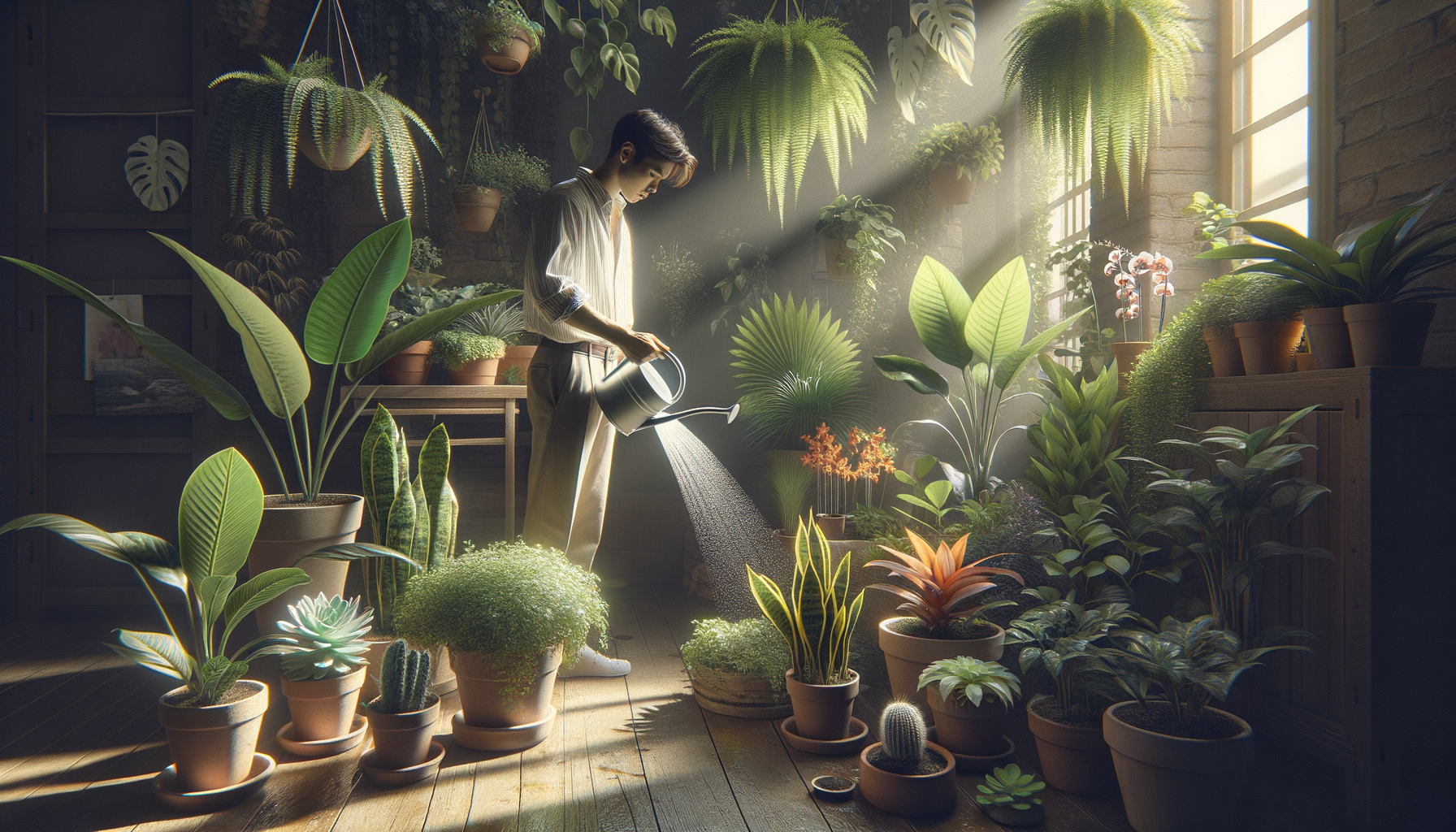
# Introduction: The Art and Science of Watering Houseplants
Watering houseplants is both a science and an art—one of the most crucial aspects of plant care that every home gardener must master. Whether you’re nurturing a lush tropical collection or a sun-kissed succulent shelf, understanding your plants’ unique water needs can be the difference between thriving greenery and sad, wilting leaves. In this guide, we’ll walk you through how to properly water different types of houseplants so you can confidently support your indoor jungle, no matter what varieties you grow.
# Why Proper Watering Matters for Houseplants
It’s tempting to think that more water equals happier plants, but that’s rarely the case. Overwatering is the number one killer of houseplants, leading to root rot and fungal diseases. Underwatering, on the other hand, causes stress and stunted growth. Each species has its own preferences, depending on its natural habitat, root structure, and even the potting mix you use.
# Common Signs of Watering Issues
- Overwatering: Yellowing leaves, mushy stems, wilting despite wet soil, fungus gnats
- Underwatering: Dry, crispy leaf edges, drooping leaves, slow growth, soil pulling away from the sides of the pot
Learning to read these signs is the first step in mastering the art of watering houseplants.
# Understanding the Watering Needs of Different Houseplant Types
No two houseplants are exactly alike when it comes to watering. Let’s explore the main houseplant types and their preferred routines.
# Succulents and Cacti
Succulents and cacti evolved in arid, desert-like environments. They store water in their thick leaves and stems, which means they need a lot less frequent watering than other houseplants.
Watering Tips:
- Allow soil to dry out completely between waterings
- Water deeply until excess drains from the bottom, then wait until the soil is bone dry
- In winter, reduce watering to once every 3-4 weeks
- Use a gritty, fast-draining soil mix
Common Mistake: Watering on a fixed schedule instead of checking soil dryness—always check first!
# Tropical Plants (Monstera, Philodendron, Pothos, etc.)
Tropicals are native to rainforests with high humidity and consistent rainfall. These plants like their soil to stay lightly moist but not soggy.
Watering Tips:
- Water when the top inch of soil feels dry to the touch
- Use room-temperature water to avoid shocking the roots
- Drain any standing water from saucers after watering
- Increase humidity with regular misting or a pebble tray
Common Mistake: Letting soil dry out completely, which can cause leaf browning and stress.
# Ferns and Moisture-Loving Plants
Ferns, calatheas, and other moisture-loving houseplants crave consistently damp (but not waterlogged) soil.
Watering Tips:
- Keep soil evenly moist, never allowing it to dry out fully
- Water thoroughly, letting excess drain away
- Use filtered or distilled water for sensitive species like calatheas
- Group moisture lovers together to create a humid microclimate
Common Mistake: Inconsistent watering that lets soil dry out, causing leaf edges to turn brown.
# Orchids and Epiphytes
Orchids and many air plants (epiphytes) don’t grow in soil in their natural habitat. They absorb moisture from the air and occasional rainfall.
Watering Tips:
- For orchids in bark mix, water when bark feels dry but still cool to the touch
- Soak the pot for 10-15 minutes and let excess water drain away
- Mist air plants or soak them for 20-30 minutes every 1-2 weeks
- Avoid letting water sit in the crown of orchids, which can lead to rot
Common Mistake: Treating orchids like typical potted plants—remember, they need to dry out between waterings!
# How to Tell When Your Houseplants Need Water
Knowing when to water is as important as knowing how. Use these practical methods to check if your houseplants are ready for a drink.
# The Finger Test
Simply stick your finger about an inch or two into the soil. If it feels dry, it’s time to water. If it’s still damp, wait a few more days.
# Moisture Meters and Tools
For more accuracy, use a moisture meter. These handy devices give instant feedback on the soil’s moisture level, taking the guesswork out of watering houseplants.
# Pot Weight and Visual Cues
Pick up the pot—if it feels much lighter than after watering, your plant probably needs a drink. Also, watch for subtle leaf droop or dullness.
# Watering Techniques for Healthy Houseplants
How you water is just as important as when you water. Here’s how to ensure you’re watering houseplants the right way.
# Top Watering vs. Bottom Watering
- Top watering: Pour water evenly over the soil surface until excess drains out the bottom. This flushes out salts and ensures even moisture.
- Bottom watering: Place the pot in a tray of water and let the roots drink upward. Great for plants sensitive to wet leaves, like African violets.
Both methods work, but always drain excess water to prevent soggy soil.
# How Much Water Should You Use?
A general rule: water until you see some drain from the bottom of the pot. For most houseplants, this means watering thoroughly but infrequently rather than little and often.
# The Importance of Drainage
Always use pots with drainage holes! Good drainage prevents waterlogging and root rot. If your favorite pot doesn’t have holes, use it as a decorative cover with a plastic nursery pot inside.
# Adapting Your Watering Routine to the Seasons
Watering houseplants isn’t a set-and-forget routine. Your plants’ needs change throughout the year.
# Spring and Summer
Most houseplants enter a period of active growth. They’ll likely need more frequent watering due to higher temperatures and increased light.
- Check soil more often
- Mist humidity lovers regularly
- Fertilize as needed (but not during dry spells)
# Autumn and Winter
Growth slows, and so should your watering. Overwatering during winter dormancy is a common pitfall.
- Allow soil to dry more between waterings
- Water succulents and cacti as little as once a month
- Move plants away from cold drafts and radiators
- Don’t let roots sit in cold, soggy soil
# Special Considerations for Watering Houseplants
Every home and plant collection is unique. Consider these factors for best results.
# Water Quality Matters
Some houseplants are sensitive to chemicals like chlorine or fluoride found in tap water. If you notice leaf tip browning (especially on spider plants or calatheas), switch to filtered, distilled, or rainwater.
# Potting Mix and Container Choice
Fast-draining mixes are best for succulents; moisture-retentive mixes suit ferns and tropicals. Terracotta pots wick away moisture, while plastic pots retain it longer. Adjust your watering routine accordingly.
# Room Environment
Rooms with lots of sunlight, dry air (especially from heaters), or strong airflow may require more frequent watering. Conversely, low-light rooms can mean slower drying times.
# Troubleshooting Common Watering Problems
Even with the best intentions, problems can arise. Here’s how to fix the most common watering houseplants mistakes.
# Root Rot
Caused by overwatering and poor drainage. Remove the plant from its pot, trim away mushy roots, and repot in fresh, well-draining soil. Let it dry out before watering again.
# Wilting Despite Wet Soil
This usually means root rot or oxygen deprivation to the roots. Check drainage, remove affected roots, and allow the soil to dry.
# Brown Leaf Tips or Edges
Often caused by inconsistent watering, low humidity, or poor water quality. Adjust your routine, increase humidity, and use filtered water if needed.
# Watering Houseplants: Quick Reference Guide
| Plant Type | How Often to Water | How Much to Water | Special Tips | |---------------------|--------------------------|------------------------------|-------------------------------------| | Succulents/Cacti | Every 2-3 weeks | Until soil is fully soaked | Let soil dry completely | | Tropical Foliage | Every 1-2 weeks | When top inch is dry | Use room-temp water, drain excess | | Ferns/Moisture-Lovers| 1-2 times per week | Keep soil consistently moist | Use filtered water, high humidity | | Orchids/Epiphytes | Weekly or bi-weekly | Soak, then drain thoroughly | Don’t let water sit in leaf crowns |
# Conclusion: Mastering the Art of Watering Houseplants
Properly watering houseplants is the cornerstone of healthy, thriving indoor greenery. By learning the specific needs of your plant types—whether drought-loving succulents or moisture-craving ferns—and adapting your watering routine to seasonal changes, you’ll avoid the most common pitfalls of over- or underwatering. Remember to check the soil, consider pot and soil type, and always prioritize drainage. With these expert tips, you’ll become a confident caretaker, enjoying lush, vibrant houseplants year-round. Happy watering!